
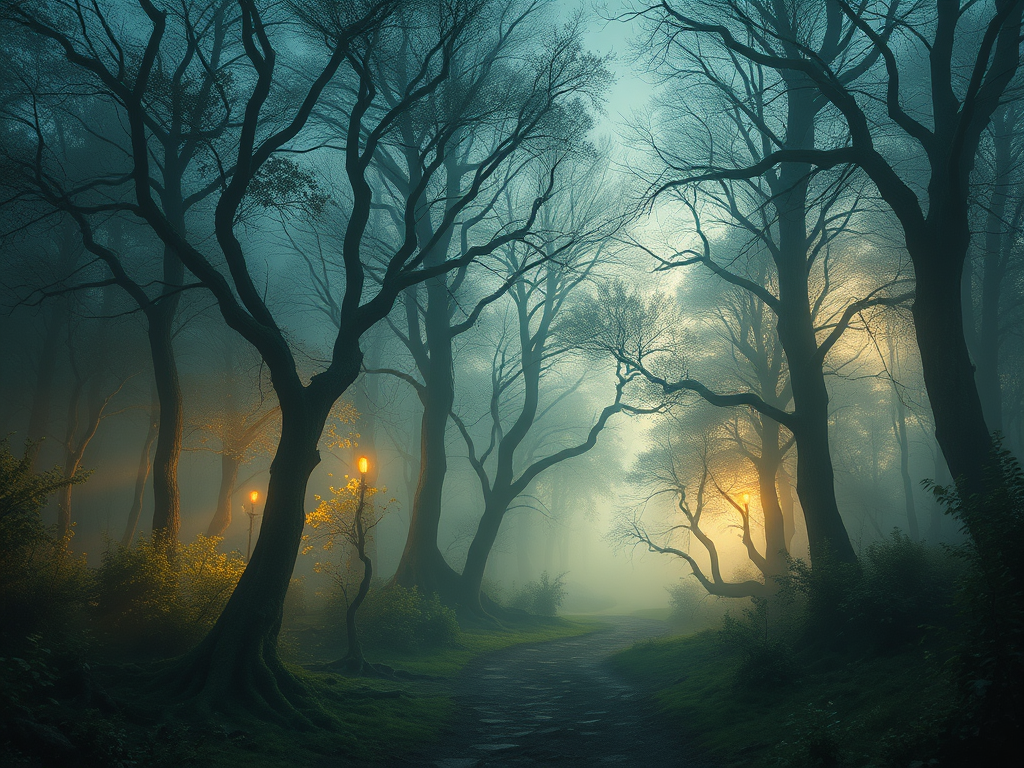
Most people think of fairies as tiny, winged beings who grant wishes or flit through enchanted forests. But if you’ve walked a Pagan path long enough, you’ve probably heard a different story—one that whispers of trickster spirits, shifting glamours, and ancient forces older than gods.
The Fae—also called the Fair Folk, the Good Neighbors, the Hidden Ones—are not soft. They are not tame. And if you’re serious about magic, you can’t ignore them.
Whether you’re a witch, Druid, animist, or folk practitioner, understanding the energy of the Fae adds another dimension to your path: one that’s older than organized religion and wilder than any ritual.
🌿 What Is Fairy Magic?
Fairy Magic (or Fae Magic) refers to spiritual or magical practices involving the Fae—spirits or beings from the Otherworld who dwell at the edges of our world. It’s not about controlling or invoking them like deities. It’s about:
- Recognizing liminal spaces and times
- Honoring the unseen forces of land and nature
- Entering into respectful, cautious, reciprocal relationships
In practice, it often involves offerings, dreamwork, signs and omens, and intuitive communication with beings that don’t operate by human rules.
Fairy magic is not beginner magic in the sense of being “easy.” But it’s a natural place to start if you’ve ever felt drawn to forests, ruins, twilight, or places that feel alive in ways you can’t explain.
⚠️ Myths vs. Reality
Many newcomers to Pagan paths carry cultural baggage about “fairies”—sparkly little wish-granters, nature sprites with butterfly wings, or light-and-love spirits. But real Fae lore paints a far more complex picture:
| Myth | Truth |
|---|---|
| Fairies are cute helpers. | Many are neutral, territorial, or even hostile. |
| Fairy Magic is “light” magic. | It’s unpredictable, relational, and can be dangerous. |
| You summon fairies to do your bidding. | You make offers, not demands—and they don’t owe you anything. |
| All Fae are friendly nature spirits. | Some guard, some test, some deceive, some protect. |
Fairy Magic isn’t a fantasy aesthetic. It’s spirit work in the raw.
👁 Who Are the Fae?
“The Fae” isn’t a single race or species. It’s a wide category of beings that show up in traditional lore all over the world—some beautiful, some terrifying, some both.
They appear most clearly in:
- Celtic traditions: Tuatha Dé Danann, aos sí, bean sidhe (banshees)
- Norse and Germanic paths: álfar (elves), huldufólk, land spirits (landvaettir)
- Slavic lore: domovoi, leshy, rusalka
- British and Irish folk magic: brownies, boggarts, pookas, the Good People
Fae live in liminal spaces—edges, thresholds, crossroads, ruins, twilight, dream states. They don’t belong to the gods or to us. They are other.
Some are tied to the land. Some move through worlds. Some respond to ritual. Some don’t care about humans at all—until we get too close.
🧭 Basic Do’s and Don’ts for Beginners
Fairy magic is all about relationship—and respect. Unlike deity work, you don’t get to call the shots. Here are some simple rules to stay safe, centered, and in good standing:
✅ DO:
- Leave small offerings—bread, milk, honey, cream, shiny coins, flowers
- Use respectful, neutral language (“Good Neighbors” is safer than “Fairies”)
- Work in liminal spaces and times—twilight, crossroads, full moons
- Pay attention to dreams, patterns, and repeated signs
- Research your local land spirits and folklore
🚫 DON’T:
- Say “thank you”—this can imply a debt or imbalance
- Promise anything unless you absolutely mean it
- Assume they’re like angels or guides—they are not here to serve you
- Leave trash as offerings (plastic-wrapped candy doesn’t count)
- Brag about working with them—ego draws the wrong kind of attention
This is not about fear—it’s about honoring the relationship.
🕯 A Simple Way to Begin
You don’t need an elaborate ritual to open the door—just presence, respect, and an offering.
Try this:
- Choose a liminal place: a forest edge, garden gate, windowsill, or crossroad
- Clean the space physically and energetically
- Leave an offering: fresh bread with honey, or cream in a small dish
- Speak aloud:
“To those who dwell between the worlds, I offer this in peace. I do not seek to command or control, only to listen and learn. If you wish to meet, I am open.” - Then walk away. Do not watch. Do not linger. Let it go.
This small act is an invitation—not a command. If they want to respond, they will. If they don’t, accept it and keep honoring the boundary.
🌬 Signs the Fae Might Be Around
If you start working with this energy, you may notice:
- Small objects moved, vanished, or mysteriously returned
- Unexplained wind, cold spots, or animal behavior
- Vivid dreams involving nature, shadowy figures, or music
- Circles in the grass, odd footprints, strange fungi
- A sudden pull to a place, time, or symbol without knowing why
Don’t jump to conclusions. Stay grounded. Keep a journal. Let patterns form before you act.
Final Thought
Fairy Magic isn’t safe—but it’s not evil either. It’s wild, ancient, and deeply woven into the land. It requires presence, caution, and honesty—especially with yourself.
This post is just the beginning. Over the next few posts, we’ll dive deeper into:
- The different types of Fae and how they show up in various traditions
- Protection, boundaries, and how to exit respectfully
- Stories from real practitioners working with Fairy Magic today
- How to tell if you’re dealing with the Fae—or something else entirely
Welcome to the in-between. Step lightly. Speak carefully. And above all, listen.

Leave a Reply