
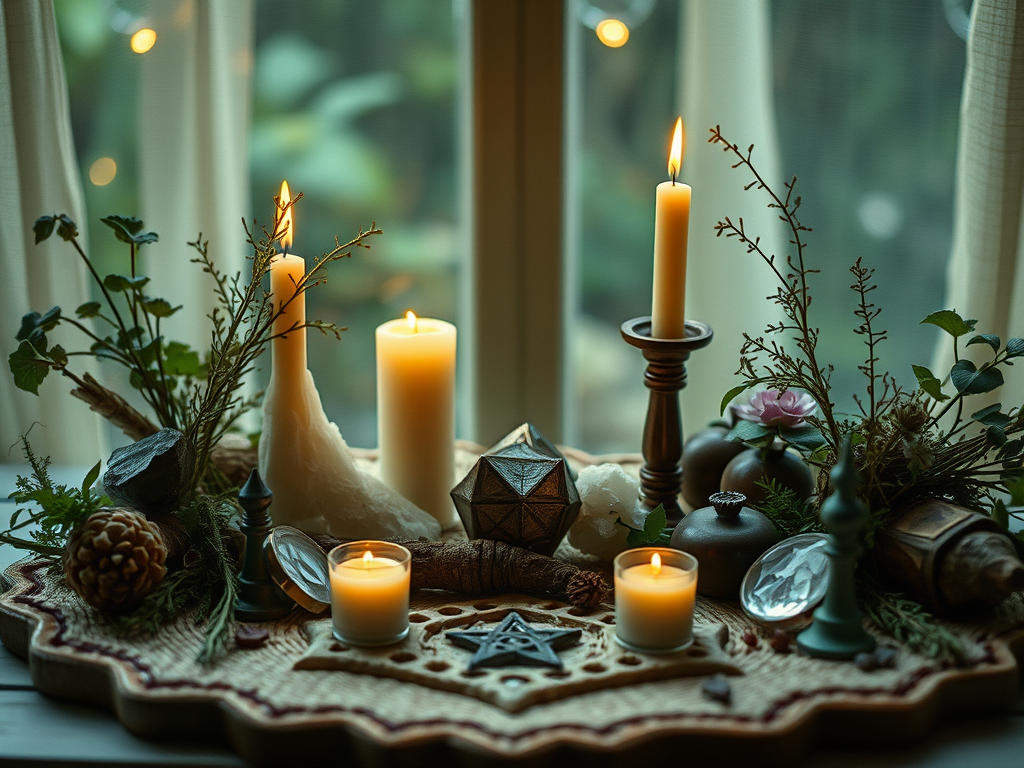
Understanding Wicca: More Than Meets the Eye
Wicca is often misunderstood, shrouded in mystery, and frequently misrepresented in popular culture. From Hollywood movies to sensationalized media stories, the real essence of Wicca has been lost beneath layers of misconception and dramatic storytelling.
Let’s dive deep into what Wicca truly is – and what it definitely is not.
What Wicca Isn’t
Before we explore the heart of Wiccan beliefs, it’s crucial to clear up some common myths:
- Wicca Is Not About Evil Magic
Contrary to popular belief, Wiccans do not practice dark or harmful magic. The core principle of Wiccan ethics is simple: “An it harm none, do what ye will.” This means practitioners are committed to avoiding harm to others. - Not a Satanic Religion
Wiccans do not worship Satan or believe in evil entities. In fact, Satan is a construct of Christian theology, completely absent from Wiccan spiritual beliefs. Wicca is a nature-based spiritual path that celebrates life, natural cycles, and positive energy. - Not Just for Women
While many imagine Wicca as exclusively feminine, it welcomes practitioners of all genders. Male witches, or “wizards,” are just as integral to the practice as women. - Not About Casting Harmful Spells
Hollywood has painted a picture of witches casting revenge spells or controlling others. In reality, Wiccan practice focuses on personal growth, healing, and positive transformation.
What Wicca Actually Is
Wicca is a modern pagan, nature-based spiritual tradition that emerged in the mid-20th century. It’s a complex, nuanced belief system with several key characteristics:
Spiritual Foundations
- Nature Worship
At its core, Wicca is a celebration of nature’s cycles. Practitioners honor the Earth as a living, sacred entity. Seasonal changes, natural phenomena, and ecological balance are central to Wiccan spirituality. - Polytheistic Beliefs
Wiccans typically believe in multiple deities, often represented by a God and Goddess. These divine figures are seen as complementary forces of creation, representing masculine and feminine energies. - Sabbats and Seasonal Celebrations
The Wiccan calendar includes eight major holidays, called Sabbats, which mark the solstices, equinoxes, and points between. These celebrations connect practitioners to natural rhythms and cosmic cycles.
Ethical Principles
- The Wiccan Rede
“An it harm none, do what ye will” is the fundamental ethical guideline. This principle encourages personal freedom while emphasizing responsibility and avoiding causing harm. - The Rule of Three
Also known as the “threefold law,” this belief suggests that whatever energy a person puts out into the world returns to them threefold. This promotes mindful, positive actions.
Magical Practices
- Ritual and Meditation
Wiccans use rituals, meditation, and sometimes spell work as methods of personal transformation and connection with divine energy. - Tools and Symbolism
Practitioners might use tools like:
- Athame (ritual knife)
- Pentacle
- Chalice
- Wand
These are symbolic representations of elemental energies and spiritual intentions.
Diversity Within Wicca
Wicca is not a monolithic religion. Multiple traditions and approaches exist:
- Gardnerian Wicca
The original modern Wiccan tradition, founded by Gerald Gardner in the 1950s. - Alexandrian Wicca
A variation developed by Alex Sanders, similar to Gardnerian but with some distinct practices. - Eclectic Wicca
A more flexible approach where individuals blend different spiritual traditions and practices.
Getting Started with Wicca
For those interested in exploring Wiccan spirituality:
- Read Extensively
- “Wicca: A Guide for the Solitary Practitioner” by Scott Cunningham
- “Drawing Down the Moon” by Margot Adler
- Join Community Groups
- Online forums
- Local pagan meetups
- Workshops and classes
- Practice Meditation
- Connect with nature
- Develop personal spiritual awareness
- Learn about seasonal changes
Common Misconceptions Debunked
- Myth: Wiccans worship the devil
Reality: Wiccans do not believe in or worship Satan - Myth: All Wiccans are women
Reality: Wicca welcomes all genders - Myth: Wicca is about casting spells on others
Reality: Wicca focuses on personal growth and positive energy
Conclusion: A Path of Personal Empowerment
Wicca is a deeply personal, nature-connected spiritual path. It’s about personal growth, respect for nature, and positive transformation. Far from the dramatic portrayals in media, Wicca offers a thoughtful, ethical approach to spirituality.
Whether you’re curious, skeptical, or genuinely interested, understanding Wicca means looking beyond stereotypes and appreciating its rich, nuanced spiritual landscape.
Ready to Learn More?
- Follow reputable Wiccan resources
- Attend local workshops
- Read authentic spiritual texts
- Keep an open, respectful mind
Disclaimer: Spiritual paths are personal. Always approach with respect and an open heart.
Leave a Reply