
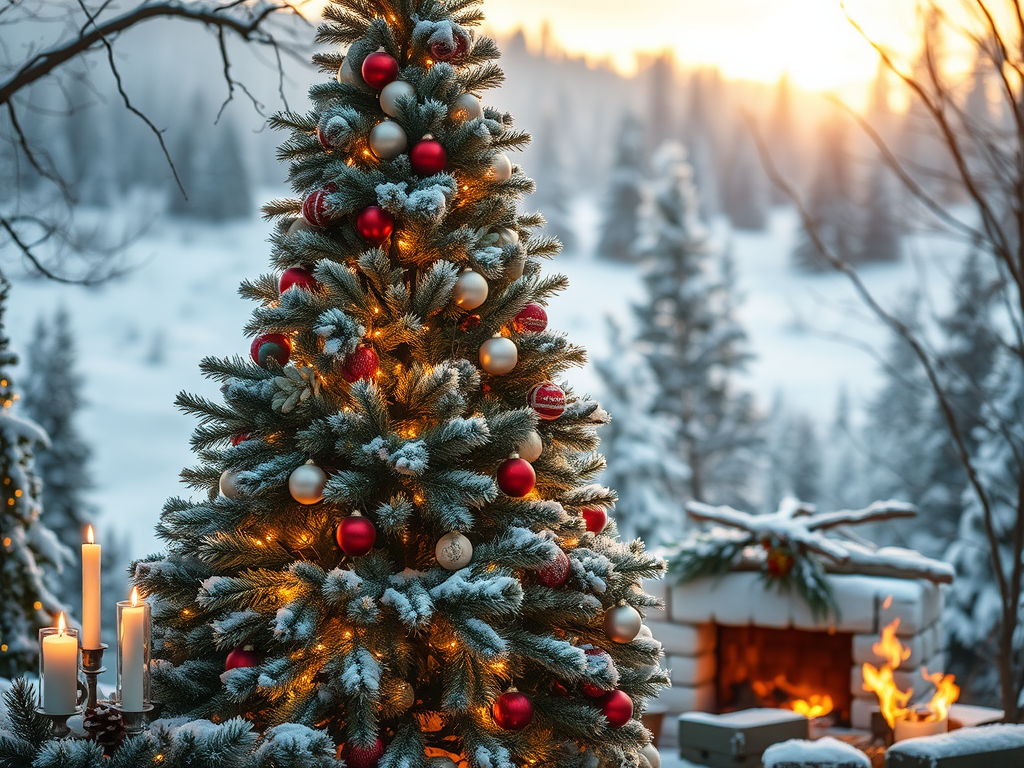

Winter brings with it a sense of wonder, a crisp chill in the air, and an invitation to slow down and reflect. Amid the festivities, two ancient celebrations stand out as symbols of the season’s profound beauty: Yule and the Winter Solstice. Rooted in centuries of tradition, these observances remind us of nature’s cycles and humanity’s enduring connection to the changing seasons. But what are Yule and the Winter Solstice, and how do they continue to inspire people worldwide? Let’s explore their fascinating origins, timeless customs, and how you can bring their magic into your own life.
The Winter Solstice: Nature’s Sacred Turning Point
The Winter Solstice, which falls around December 21st in the Northern Hemisphere, is the shortest day and longest night of the year. This celestial event occurs when the Earth’s axial tilt is furthest from the sun, marking the official start of winter. For ancient cultures, the Winter Solstice wasn’t just an astronomical phenomenon—it was a spiritual and emotional milestone.
The Solstice symbolizes the rebirth of the sun and the gradual return of light and warmth. Imagine living in a time when the seasons dictated survival, with cold winters threatening food supplies and life itself. The return of the sun brought hope, renewal, and a promise of better days ahead. Early civilizations built impressive monuments aligned with the solstice, such as Stonehenge in England and Newgrange in Ireland, to celebrate this pivotal moment. These structures reveal the importance of the solstice in human history, serving as both calendars and sacred spaces.
Today, the Winter Solstice remains a time for reflection, gratitude, and reconnecting with nature. It’s a reminder of the beauty in cyclical endings and beginnings, inspiring people to pause and honor the turning of the year.

Yule: The Festival of Light and Life
Yule, celebrated around the time of the Winter Solstice, is one of the oldest known winter festivals. Its roots trace back to ancient pagan traditions, particularly among Germanic and Norse peoples. This midwinter celebration revolves around themes of light, rebirth, and the enduring cycles of life and death.
The word “Yule” likely derives from the Old Norse term jól, which referred to a midwinter feast held in honor of the returning sun. During Yule, ancient people would gather to honor deities, share feasts, and light fires to welcome the sun’s renewal. Over time, many Yule traditions merged with Christian celebrations of Christmas, influencing practices like decorating evergreens, exchanging gifts, and gathering for festive meals.
In modern times, Yule is embraced by many Wiccans, pagans, and nature enthusiasts as a time to honor the Earth, the changing seasons, and the cycles of life. However, you don’t have to identify with a specific spiritual path to enjoy the warmth and magic of Yule.
Yule and the Winter Solstice Around the World
Although Yule has its origins in Northern Europe, the themes of light and renewal resonate globally. Cultures around the world have created their own midwinter celebrations tied to the Winter Solstice. Let’s explore a few of them:
1. Saturnalia (Ancient Rome)
The Romans celebrated Saturnalia, a raucous, week-long festival in honor of Saturn, the god of agriculture. Saturnalia featured feasting, gift-giving, and role reversals—servants would be treated as masters for a day. Many customs of Saturnalia, including decorating homes with greenery and candles, have influenced modern holiday traditions.
2. Dongzhi (China)
In China, the Dongzhi Festival marks the Winter Solstice as a time to reunite with family and enjoy warm, hearty dishes. Foods like dumplings and tangyuan (sweet glutinous rice balls) are enjoyed as symbols of harmony and warmth. Dongzhi is also a time to reflect on the balance between yin (darkness) and yang (light), acknowledging the natural cycles of the universe.
3. Shab-e Yalda (Iran)
In Iran, Shab-e Yalda, or “Yalda Night,” is celebrated on the longest night of the year. Families gather to eat pomegranates, nuts, and watermelon, staying awake to recite poetry and share stories. Yalda Night symbolizes the triumph of light over darkness and serves as a heartfelt reminder of the power of love and connection during challenging times.
These diverse celebrations highlight humanity’s universal longing for light, hope, and renewal during the darkest days of the year.

Symbols and Traditions of Yule and the Winter Solstice
Yule and the Winter Solstice are rich in symbols and rituals that honor the changing season. Many of these traditions have endured for centuries, offering a sense of connection to the past and an opportunity to create meaningful moments today.
1. The Yule Log
The Yule log is one of the most iconic symbols of the season. In ancient times, families would select a large log, decorate it with greenery, and burn it in the hearth to honor the sun’s return. Today, this tradition has evolved—many people use decorative Yule logs as centerpieces or celebrate with a Yule log cake, blending symbolism with sweetness.
2. Evergreens and Wreaths
Evergreen trees, wreaths, and garlands symbolize life and endurance through winter’s hardships. Decorating with evergreens during Yule represents hope, renewal, and the promise of spring. This tradition lives on in modern Christmas trees and holiday decorations.
3. Candles and Fire
The act of lighting candles or tending a fire during Yule represents the sun’s rebirth and the return of longer days. Many people use candles to set intentions, reflect on the year past, and welcome positivity for the year ahead.
4. Feasting and Gatherings
Communal feasts are a cornerstone of Yule. Traditional dishes include spiced cider, roasted meats, nuts, and winter fruits like apples and oranges. Sharing a meal with loved ones reinforces bonds and brings warmth to the season.
5. Gift-Giving
Exchanging gifts is rooted in Yule’s emphasis on generosity and gratitude. This practice evolved into the modern Christmas gift exchange, proving that ancient traditions have staying power.
How to Celebrate Yule and the Winter Solstice Today
You don’t need a medieval hall or a sacred grove to celebrate Yule and the Winter Solstice. Whether you prefer quiet reflection or festive gatherings, there are countless ways to honor these special occasions in modern life. Here are some ideas:
1. Create a Yule Altar
Design a small altar with seasonal items like pinecones, candles, and evergreens. Add personal mementos or symbols of gratitude to make it uniquely yours.
2. Host a Solstice Feast
Invite friends and family to share a cozy meal featuring seasonal dishes. Use the opportunity to express gratitude for the year’s blessings and set intentions for the year ahead.
3. Burn or Bake a Yule Log
If you have a fireplace, burning a Yule log can be a meditative and symbolic act. If not, consider baking a Yule log cake to share with loved ones—both options are equally delightful!
4. Watch the Sunrise
Wake early to greet the first sunrise after the solstice. It’s a simple yet profound way to welcome the returning light and connect with nature.
5. Practice Acts of Kindness
Yule emphasizes community and generosity. Donate to a local charity, help a neighbor, or send thoughtful messages to loved ones to spread warmth and joy.
Why Yule and the Winter Solstice Still Matter
In a world that often feels fast-paced and disconnected, Yule and the Winter Solstice offer an opportunity to pause and reconnect—with nature, traditions, and each other. They remind us that even in the darkest times, light and hope are always on the horizon.
By embracing the spirit of Yule and the Winter Solstice, we can infuse the winter season with meaning and magic. Whether through small rituals, festive celebrations, or quiet reflection, these ancient traditions continue to inspire and uplift.
Fun Facts About Yule and the Winter Solstice
- The Aurora Borealis, or Northern Lights, are often more visible around the Winter Solstice due to longer nights.
- The term “Yuletide greetings” stems directly from Yule, conveying seasonal well-wishes.
- Many solstice myths, including Norse tales of Baldur and Egyptian stories of Ra, focus on the theme of light overcoming darkness.
Conclusion
Yule and the Winter Solstice are more than historical observances—they are timeless celebrations of resilience, renewal, and the enduring beauty of nature’s cycles. Whether you light candles, bake festive treats, or simply take a moment to appreciate the season, these traditions offer something meaningful for everyone.
So, as the nights grow long and the air grows crisp, why not honor the magic of Yule and the Winter Solstice? After all, there’s nothing more powerful than welcoming light into the darkness.
How do you celebrate the season?
Share your favorite traditions, rituals, or winter memories in the comments below! If you’re inspired to try something new, let us know how it goes. And don’t forget to share this post with friends and family who might love learning about Yule and the Winter Solstice. Together, let’s spread the magic of the season!
Leave a Reply