
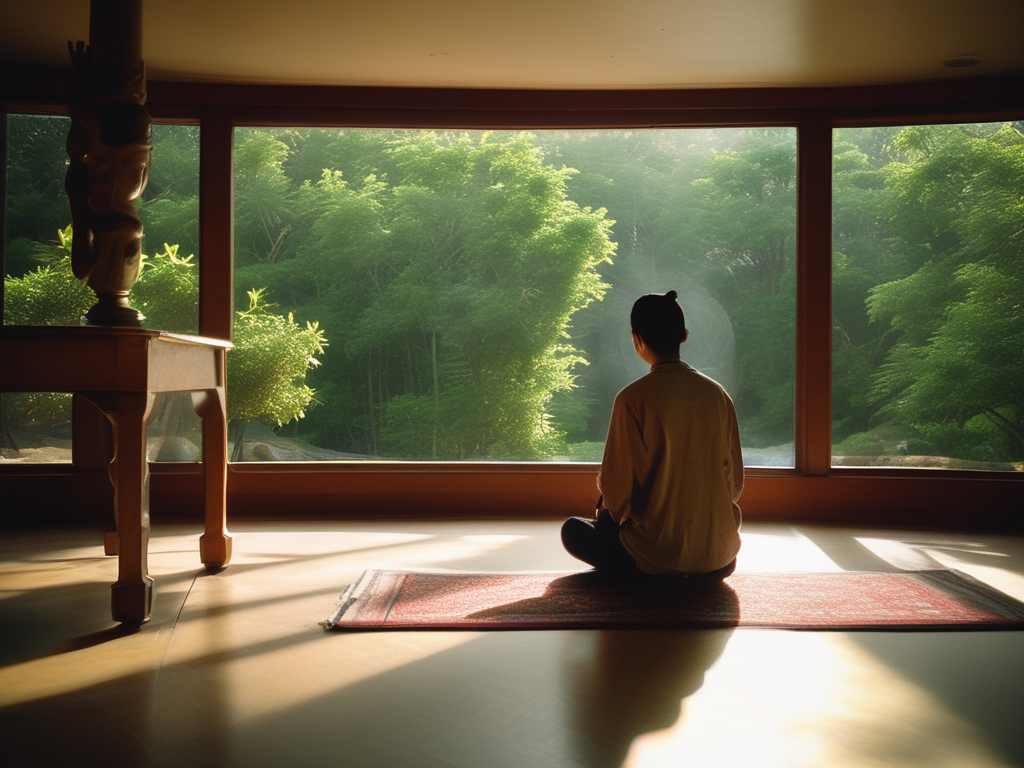
Prayer, in its essence, is a way to connect with the divine, the universe, or our higher selves. It’s a practice that transcends religious boundaries and can be deeply personal. While many of us are familiar with traditional forms of prayer, there’s a vast array of prayer practices from various spiritual traditions around the world. In this post, we’ll explore different forms of prayer to help you find a practice that resonates with your spiritual journey.
- Verbal Prayer
Verbal prayer is perhaps the most well-known form of prayer in many religions. It involves speaking to a higher power, either aloud or silently in one’s mind. This can include:
- Reciting pre-written prayers: Many religions have specific prayers for different occasions or times of day.
- Spontaneous prayer: Speaking from the heart, expressing gratitude, asking for guidance, or sharing concerns.
- Affirmative prayer: Used in New Thought spirituality, this involves stating positive affirmations as if they’re already true.
To practice: Try setting aside a few minutes each day for verbal prayer. You might start with a pre-written prayer that speaks to you, or simply talk to the divine as you would to a trusted friend.
- Contemplative Prayer
Contemplative prayer focuses on silent reflection and inner listening. It’s about creating space for divine presence rather than speaking or asking for things. Forms include:
- Centering prayer: Silently repeating a sacred word to center oneself in the present moment.
- Christian meditation: Reflecting deeply on scripture or spiritual writings.
- Lectio Divina: A monastic practice of reading, meditation, prayer, and contemplation based on scripture.
To practice: Choose a quiet place and set aside 10-20 minutes. Focus on your breath and gently repeat a chosen word or phrase, allowing thoughts to come and go without attachment.
- Meditative Prayer
While similar to contemplative prayer, meditative prayer often involves more active mental engagement. This can include:
- Visualization: Creating mental images of healing, peace, or divine presence.
- Loving-kindness meditation: Sending thoughts of love and compassion to oneself and others.
- Mantra meditation: Repeating sacred sounds, words, or phrases to focus the mind.
To practice: Try a simple loving-kindness meditation. Sit comfortably and repeat phrases like “May I be happy, may I be healthy, may I be safe, may I live with ease” for yourself, then extend these wishes to others.
- Body Prayer
Body prayer recognizes that our physical beings can be instruments of prayer. This includes:
- Yoga: When practiced with intention, yoga can be a form of embodied prayer.
- Tai Chi or Qigong: These moving meditations can be seen as forms of prayer.
- Prayer beads: Using rosaries or malas to guide prayer through touch and movement.
To practice: Try a simple body prayer by standing with your feet shoulder-width apart. As you inhale, raise your arms overhead, opening to receive. As you exhale, bring your hands to your heart, embodying gratitude.
- Written Prayer
Writing can be a powerful form of prayer, allowing for reflection and clarity. This can include:
- Journaling: Writing down thoughts, feelings, and aspirations as a form of prayer.
- Prayer letters: Writing letters to the divine, expressing gratitude or seeking guidance.
- Artistic expression: Creating art, poetry, or music as a form of prayer.
To practice: Start a prayer journal. Each day, write down three things you’re grateful for and one thing you’re seeking guidance on.
- Nature Prayer
Many traditions recognize nature as a gateway to the divine. Nature prayer involves:
- Walking meditation in nature
- Sitting in contemplation of natural beauty
- Gardening or caring for plants as a form of prayer
To practice: Take a mindful walk in nature. Use all your senses to appreciate the beauty around you, allowing feelings of gratitude and connection to arise naturally.
- Chanting or Singing Prayer
Many spiritual traditions use sound as a form of prayer:
- Gregorian chants in Christianity
- Kirtan in Hinduism
- Dhikr in Islam
To practice: Even if you’re not musically inclined, try humming or singing a simple tune as a form of prayer. Focus on the vibrations in your body and the intention behind the sound.
Finding What Resonates with You
As you explore these different forms of prayer, remember that there’s no one “right” way to pray. What matters most is your intention and the sincerity of your practice. Here are some tips for finding a prayer practice that resonates with you:
- Experiment: Try different forms of prayer for a week or two each. Notice how each practice makes you feel.
- Be consistent: Whatever form you choose, try to practice regularly. Even a few minutes each day can make a difference.
- Be patient: Like any skill, prayer takes practice. Don’t be discouraged if your mind wanders or if you don’t feel an immediate connection.
- Adapt and combine: Feel free to adapt practices to suit your needs or combine elements from different traditions.
- Trust your intuition: Pay attention to which practices feel most natural and meaningful to you.
- Seek guidance: If you’re drawn to a particular tradition, consider seeking guidance from a spiritual teacher or community.
Remember, prayer is a deeply personal practice. What works for one person may not work for another. The key is to find a practice that helps you feel connected, centered, and at peace. As you explore different forms of prayer, you may find that your practice evolves over time, and that’s perfectly normal. The journey of prayer is ongoing, always offering new opportunities for growth and connection.
In conclusion, prayer is a versatile and powerful spiritual tool that can take many forms. By exploring different practices, you can find a way of connecting with the divine that feels authentic and meaningful to you. Whether through words, silence, movement, or creativity, there’s a form of prayer out there that can enrich your spiritual life and deepen your connection to the sacred.
Leave a Reply