
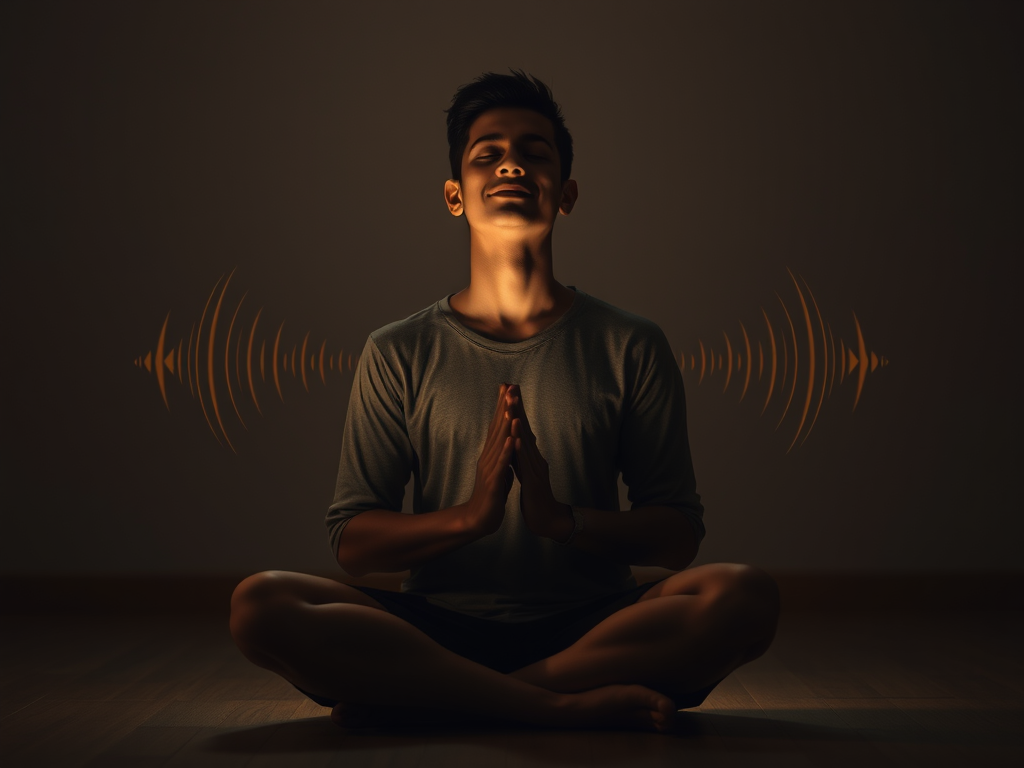
Imagine you’re sitting cross-legged in a dimly lit room, eyes closed, softly chanting a rhythmic mantra. With every syllable, you feel more focused, calm, and centered. Is this magic? Brain science? Ancient wisdom at play? The answer lies in an intriguing mix of all three. Welcome to the world of chanting, where sound, vibration, and intention meet to create profound effects on mind and body. Let’s explore how and why chanting works—and why this ancient practice remains so powerful today.
What Is Chanting?
Chanting is the rhythmic repetition of a word, phrase, or sound. Think of it as a hybrid between singing and speaking, often performed in a meditative or spiritual setting. From the “Om” of Hinduism to Gregorian chants of medieval Christianity, cultures worldwide have used chanting for centuries to connect with the divine, cultivate inner peace, or energize the spirit.
But chanting isn’t just for monks on mountaintops. Modern science is shedding light on its benefits for ordinary folks like you and me. Whether you’re trying to reduce stress, enhance focus, or just feel a little more zen, chanting could be your secret weapon.
How Does Chanting Work?
At first glance, chanting might look like little more than rhythmic noise. But beneath its simplicity lies a powerful cocktail of psychology, physiology, and acoustics. Here’s the breakdown:
1. The Brain on Chanting: The Neuroscience
When you chant, you’re essentially giving your brain a task—a repetitive, rhythmic task. This isn’t just busywork; it’s a brain hack. Here’s what happens:
- Activating the Parasympathetic Nervous System: Chanting slows your breathing, and slower breathing signals to your brain that it’s time to relax. This activates the parasympathetic nervous system (a.k.a. the “rest and digest” mode), reducing stress and lowering heart rate.
- Boosting the “Feel-Good” Chemicals: Studies suggest that rhythmic vocalizations, like chanting, can trigger the release of endorphins and dopamine. These are the brain’s natural happy pills, helping you feel calm and content.
- Quieting the Mind: Ever tried meditating only to be bombarded by a to-do list for the next decade? Chanting helps by giving your brain something simple and repetitive to focus on. This keeps intrusive thoughts at bay and fosters a meditative state.

2. The Vibrational Magic
Sound is vibration, and vibrations interact with your body in fascinating ways. When you chant, the sound waves resonate through your body, particularly in the chest, throat, and even the skull. This isn’t just poetic—it’s physics.
- Resonance and Relaxation: Low-frequency sounds (like the hum of “Om”) can create a soothing resonance in your body. This is why people often report feeling grounded or calm after chanting.
- The Vagus Nerve Connection: Chanting stimulates the vagus nerve, a key player in regulating mood and the immune system. Research suggests that stimulating this nerve can reduce anxiety, inflammation, and even depression.
3. The Power of Intent and Meaning
It’s not just the sound that matters—it’s what you mean when you chant. Many chants involve sacred or meaningful words, like Sanskrit mantras or prayers. These words carry emotional and cultural significance, amplifying their psychological impact.
Even if you’re not religious, chanting a word or phrase that resonates with you can instill a sense of purpose or positivity. For example, chanting “peace” might fill you with hope, while repeating “I am strong” can boost your confidence.
Benefits of Chanting
The benefits of chanting aren’t just anecdotal; they’re backed by science. Here are some of the biggest perks:
1. Stress Relief
Chanting reduces the stress hormone cortisol. In one study, participants who chanted a mantra for 12 minutes a day experienced a significant decrease in anxiety and an increase in feelings of peace.
2. Improved Focus
The repetitive nature of chanting trains your brain to focus on a single task. It’s like mental weightlifting—over time, you’ll find it easier to concentrate on other tasks, too.
3. Enhanced Mood
The release of endorphins during chanting leads to an uplifted mood. Some researchers even compare the effects of chanting to the “runner’s high” experienced during exercise.
4. Better Breathing
Chanting naturally slows your breath, encouraging diaphragmatic (belly) breathing. This type of breathing improves oxygen intake and helps regulate the nervous system.
5. Deeper Connection
For those who chant as part of a spiritual practice, it fosters a sense of connection—whether to a higher power, a community, or simply your inner self.

Types of Chants
There’s no one-size-fits-all chant. Here’s a quick tour of some popular styles:
1. Mantras
Derived from Sanskrit, “mantra” means “instrument of thought.” Mantras are sacred syllables, words, or phrases repeated to focus the mind. Example: The famous “Om Mani Padme Hum”, associated with compassion.
2. Affirmations
These are modern, secular chants. Think of phrases like “I am enough” or “I choose happiness.” They work similarly to mantras but are rooted in self-help rather than spirituality.
3. Gregorian Chants
These hauntingly beautiful chants are a staple of Christian liturgy. Sung in Latin, they create a sense of spiritual elevation.
4. Kirtan
This is a call-and-response style of chanting popular in yoga and Hindu traditions. It’s often accompanied by musical instruments like the harmonium or tabla.
How to Start Chanting
You don’t need a guru or a gong to start chanting. Here’s how to dip your toes in:
1. Find a Comfortable Spot
Sit somewhere quiet and comfortable. You don’t have to cross your legs like a yogi—just make sure you’re relaxed.
2. Choose a Chant
Start with something simple. If you’re unsure, try “Om” or a phrase like “peace begins with me.”
3. Set a Timer
Begin with just 5–10 minutes. You’ll be surprised how quickly it flies by.
4. Breathe Deeply
Match your chanting to your breath. For example, chant as you exhale, then inhale quietly before the next repetition.
5. Experiment
Feel free to chant silently in your head, out loud, or even with a melody. The best style is the one that resonates with you.
Common Misconceptions About Chanting
Let’s clear up a few myths:
- “It’s Only for Religious People.” Not true! While chanting has spiritual roots, anyone can use it for relaxation or focus—no dogma required.
- “I’ll Look Silly.” Sure, chanting might feel weird at first. But once you experience its calming effects, you won’t care who’s listening (spoiler: probably no one).
- “It Takes Too Long.” Even just 2 minutes of chanting can have noticeable benefits. It’s the ultimate low-investment, high-reward practice.
Chanting in Everyday Life
Chanting isn’t confined to monasteries or yoga retreats—it’s an accessible practice that fits seamlessly into modern lifestyles. You don’t need to chant for hours or memorize intricate mantras to experience its benefits. Even a simple hum for a few minutes can stimulate the vagus nerve, which helps reduce stress and boosts immunity. With the rise of apps and guided videos, integrating chanting into your daily routine is easier than ever.
It can also be a communal activity. Joining a kirtan gathering, participating in a mindfulness workshop, or even singing in a group taps into the social and emotional benefits of shared sound. Chanting with others fosters a sense of connection and collective energy, which can elevate mood and strengthen feelings of empathy.
In the workplace, chanting can serve as a tool for stress relief and team bonding. Short sessions provide an opportunity for employees to reset, enhancing focus and productivity. Beyond its calming effects, chanting trains the mind for better concentration and emotional regulation—skills that are valuable in high-pressure environments. With its roots in ancient wisdom and validation from modern science, chanting is proving to be a versatile and powerful tool for everyday life
Here are some valuable sources to add to your blog post on the power of chanting, particularly its effects on mental and physical well-being:
- Scientific Studies on Chanting and Stress Reduction
- Research has shown that chanting “Om” significantly reduces stress and improves heart rate variability, which reflects enhanced autonomic nervous system function. It lowers cortisol levels and induces relaxation through parasympathetic activation. This is a practical stress management technique backed by multiple studies.
- Chanting for Mental Health
- Studies have demonstrated that chanting reduces symptoms of anxiety and depression, often on par with mindfulness meditation. Participants engaging in chanting practices reported increased feelings of calm and reduced emotional distress.
- Cognitive and Emotional Benefits
- Chanting can improve focus, memory, and mindfulness. For example, repeating the mantra “Om” promotes an alpha brainwave state, associated with calm and mental clarity. It also stimulates regions of the brain tied to emotional regulation.
- Physical Health Effects
- Beyond mental benefits, chanting impacts physical health, such as reducing blood pressure and heart rate in hypertensive individuals. Vibrations created during chanting interact with the vagus nerve, enhancing its regulatory effects on inflammation and overall health.
- Vibrational and Neurological Resonance
- Chanting integrates principles of sound therapy, where specific vibrations resonate with the body and mind, helping improve neural plasticity and fostering emotional stability. This is particularly potent with repetitive sounds like “Om” or the Buddhist mantra “Om Mani Padme Hum”.
- Chanting as Complementary Therapy
- In clinical settings, chanting has been used as a complementary therapy for PTSD in veterans and for patients dealing with chronic pain and cancer, demonstrating measurable psychological and quality-of-life improvements.
These references provide scientific credibility and a broad context for the benefits of chanting. To incorporate these findings effectively, include links to these studies and insights into how chanting harmonizes ancient practices with modern neuroscience.
Final Thoughts: Why Chanting Works
Chanting works because it engages the mind, body, and spirit in unison. It’s like a reset button for your nervous system, a tune-up for your brain, and a warm hug for your soul—all rolled into one. And the best part? It’s free, easy, and accessible to everyone.
So, the next time life feels overwhelming, try taking a deep breath and letting out a simple “Om.” It might just change your day—and maybe even your life.
Are you ready to start chanting? Let us know your favorite chant or mantra in the comments below! Don’t forget to share this post with someone who could use a little extra peace and calm today.
Leave a Reply