
1. Nowruz (Persian New Year) – The Festival of Renewal 🇮🇷
📅 When? Spring Equinox (March 19-21)
🌱 Why? Marks the Persian New Year, symbolizing renewal and rebirth.
🔥 Tradition:
Nowruz, meaning “New Day”, has been celebrated for over 3,000 years and originates from Zoroastrianism, an ancient Persian religion. The festival represents the triumph of light over darkness and the arrival of new life.
🔹 Preparations:
- Homes undergo a deep cleaning (Khaneh Tekani) to welcome fresh energy.
- People set up a Haft-Seen table, which contains seven symbolic items starting with the Persian letter “S”:
- 🌿 Sabzeh (Sprouts) – Growth & renewal
- 🍎 Seeb (Apple) – Health & beauty
- 🧄 Seer (Garlic) – Protection & medicine
- 🌿 Senjed (Oleaster fruit) – Love
- 🍚 Samanu (Sweet wheat pudding) – Strength & fertility
- 🍷 Serkeh (Vinegar) – Patience & wisdom
- 💰 Sekkeh (Coins) – Prosperity
🔹 Key Traditions:
- Jumping over fire (Chaharshanbe Suri) to cleanse negativity.
- Visiting family & giving gifts.
- 13th-day picnic (Sizdah Bedar) to let go of bad luck.
🌍 Where is it Celebrated? Iran, Afghanistan, Central Asia, and Kurdish regions, bringing together millions of people in joyful festivities, music, and feasting.
2. Ostara (Germanic Pagan Festival) – The Origins of Easter 🥚
📅 When? Spring Equinox
🌱 Why? Honors the goddess Eostre, associated with fertility and renewal.
🔥 Tradition:
The Anglo-Saxon goddess Eostre was celebrated during the vernal equinox, a moment of perfect balance between light and dark.
🔹 Key Symbols:
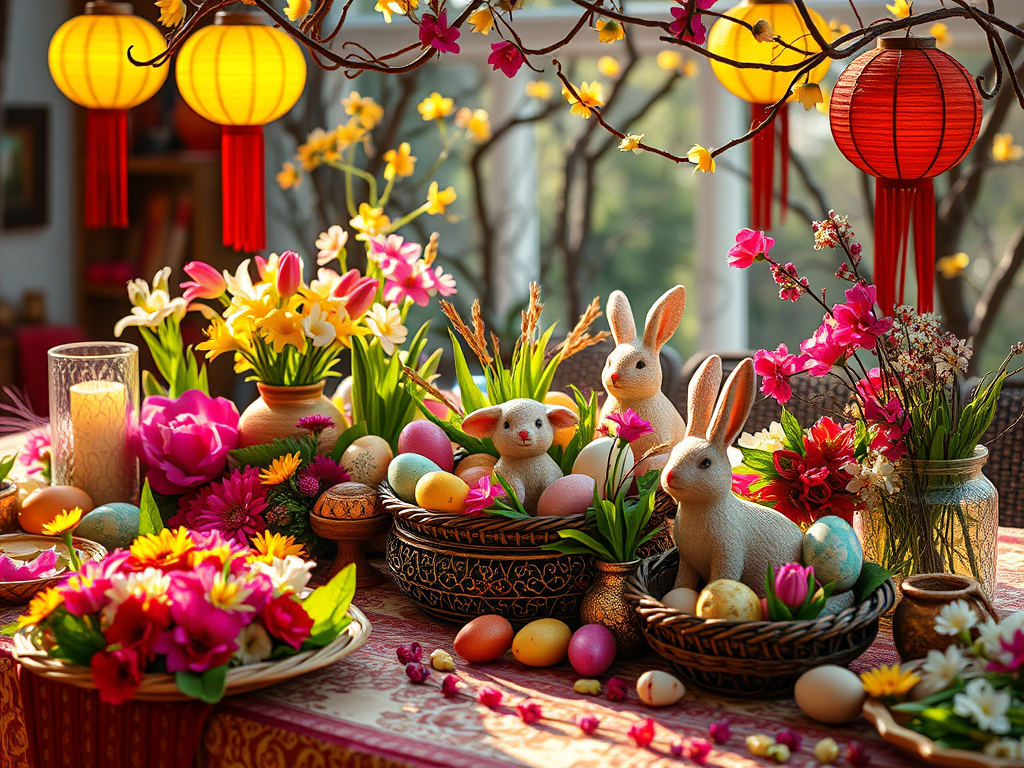
- 🐇 Rabbits – Representing fertility and rapid reproduction.
- 🥚 Eggs – Ancient symbols of rebirth and new life.
🔹 Key Traditions:
- Lighting sacred fires to honor the sun’s return.
- Feasting on eggs and seasonal foods.
- Celebrating with dancing and fertility rituals.
🌍 Where is it Celebrated? Historically in Germanic and Northern European regions. Many Ostara customs merged into Easter—which is why we still have Easter eggs and bunnies today.
3. Alban Eilir (Druidic Spring Equinox) – “The Light of the Earth” 🌿
📅 When? Spring Equinox
🌱 Why? A sacred moment of balance and renewal in Celtic traditions.
🔥 Tradition:
Druids and ancient Celtic peoples honored Alban Eilir as a time when day and night were equal, symbolizing harmony between darkness and light.
🔹 Key Traditions:
- Sunrise rituals at sacred sites like Stonehenge and Newgrange, which align perfectly with the equinox.
- Offerings of seeds, flowers, and food to nature spirits and deities.
- Lighting fires and feasting to welcome the sun’s return.
🌍 Where is it Celebrated? Historically in Celtic regions; still celebrated today by modern Druids and Wiccans, emphasizing connection to the land and seasonal cycles.
4. Holi (Hindu Festival of Colors) – The Triumph of Good Over Evil 🎨
📅 When? March (Full Moon of Phalguna)
🌱 Why? Celebrates the arrival of spring and the victory of light over darkness.
🔥 Tradition:
Holi is one of India’s most joyous and colorful festivals! It originates from Hindu mythology, specifically the story of Prahlad, a young prince who was protected by Lord Vishnu from the evil Holika.
🔹 Key Traditions:
- Throwing colored powders (Gulal), representing joy, love, and new beginnings.
- Bonfires (Holika Dahan) to burn away negativity.
- Singing, dancing, and feasting with sweets like Gujiya and Thandai (spiced milk drink).
🌍 Where is it Celebrated? India and Hindu communities worldwide, now celebrated globally as a festival of joy, love, and community.
5. Easter (Christianity) – Resurrection & Rebirth ✝️
📅 When? First Sunday after the first full moon following the Spring Equinox
🌱 Why? Celebrates Jesus Christ’s resurrection from the dead.
🔥 Tradition:
Easter is Christianity’s most important holiday, marking hope, renewal, and victory over death.
🔹 Key Traditions:
- Church services and prayers.
- Easter egg hunts, inspired by pre-Christian fertility symbols.
- Feasting on lamb, ham, and spring vegetables.
🌍 Where is it Celebrated? Worldwide in Christian communities. Many Easter customs—like eggs and rabbits—originated in pagan fertility festivals and were later absorbed into Christian traditions.
6. Passover (Pesach) – The Festival of Freedom 🕎
📅 When? March/April (Nisan 15-22)
🌱 Why? Commemorates the Jewish Exodus from Egypt and the liberation from slavery.
🔥 Tradition:
Passover, or Pesach, is one of the most important Jewish festivals, celebrating freedom, resilience, and divine intervention.
🔹 Key Traditions:
- The Seder Meal featuring symbolic foods:
- 🍞 Matzah (Unleavened Bread) – Represents the Israelites’ hurried escape from Egypt.
- 🌿 Maror (Bitter Herbs) – Symbolizes the bitterness of slavery.
- 🍷 Four Cups of Wine – Representing freedom and redemption.
- 🥚 Beitzah (Roasted Egg) – Symbolizing sacrifice and new beginnings.
- Reading from the Haggadah, telling the story of the Exodus.
- Asking the Four Questions, led by the youngest family member.
- Avoiding chametz (leavened bread) for all eight days.
- Songs like “Dayenu” and games like hiding the Afikomen (a piece of Matzah).
🌍 Where is it Celebrated? Jewish communities worldwide, including Israel, the U.S., and Europe.
7. Akitu (Babylonian New Year) – The Oldest Spring Festival 🌾
📅 When? Spring Equinox (March 20-21)
🌱 Why? Celebrates the renewal of kingship and the victory of order over chaos.
🔥 Tradition:
Akitu, dating back over 4,000 years, is one of the earliest recorded festivals, celebrated in ancient Mesopotamia (Babylon & Sumeria). It marked the new agricultural cycle and the gods’ power over chaos.
🔹 Key Traditions:
- Honoring Marduk’s triumph over Tiamat, the chaos dragon.
- 12-day festival with temple ceremonies, prayers, and public celebrations.
- The king’s ritual humiliation and renewal (stripped of garments, slapped by a priest, then crowned again).
- Sacred marriage ritual between the king and goddess Ishtar to ensure fertility.
🌍 Where was it Celebrated? Ancient Babylon, Assyria, and Sumeria, influencing later Persian and Roman spring festivals.
8. Hilaria (Roman Festival of Joy) – The Celebration of Laughter 😂
📅 When? March 25
🌱 Why? Honors Cybele, the Great Mother goddess, and celebrates rebirth, humor, and disguise.
🔥 Tradition:
Hilaria was a festival of joy, laughter, and disguise, where Romans celebrated the arrival of spring and the resurrection of Attis, Cybele’s consort.
🔹 Key Traditions:
- Pranks, costumes, and role reversals (slaves and commoners mocking nobility).
- Public feasts, theater performances, and gladiatorial games.
- Celebrating Attis’ resurrection, symbolizing nature’s renewal.
🌍 Where was it Celebrated? Throughout the Roman Empire, influencing later April Fools’ Day traditions.
9. Qingming Festival (China) – Honoring Ancestors 🏮
📅 When? April 4-6
🌱 Why? Celebrates ancestral remembrance and the renewal of nature.
🔥 Tradition:
Also called Tomb-Sweeping Day, the Qingming Festival is a time for families to honor their ancestors, clean graves, and celebrate spring’s renewal.
🔹 Key Traditions:
- Tomb-sweeping and leaving offerings of food, flowers, and incense.
- Flying kites in the shape of birds and dragons, symbolizing souls ascending to heaven.
- Outdoor picnics near rivers and mountains, appreciating the fresh energy of spring.
🌍 Where is it Celebrated? China, Taiwan, Hong Kong, and Chinese communities worldwide.
10. Hanami (Japan) – The Beauty of Cherry Blossoms 🌸
📅 When? March-April
🌱 Why? Celebrates the fleeting beauty of life through cherry blossoms.
🔥 Tradition:
Hanami, meaning “flower viewing”, is an ancient Japanese tradition of admiring cherry blossoms (sakura) and celebrating the impermanence of life.
🔹 Key Traditions:
- Gathering under blooming cherry trees for picnics and celebrations.
- Poetry, traditional music, and tea ceremonies emphasizing appreciation of nature.
- Cherry blossom festivals with lantern-lit night viewings in cities like Tokyo and Kyoto.
- Reflecting on the Buddhist concept of impermanence (Mono no Aware).
🌍 Where is it Celebrated? Japan and Japanese communities worldwide.
🌞 The Universal Power of Spring Celebrations
Across cultures, spring represents renewal, balance, and the triumph of light over darkness. Whether through colorful powders, feasting, ancestor rituals, or laughter, these celebrations remind us of the cycles of life, joy, and rebirth.
💬 Which festival resonates with you the most? How do you celebrate spring? 🌿✨
Leave a Reply