
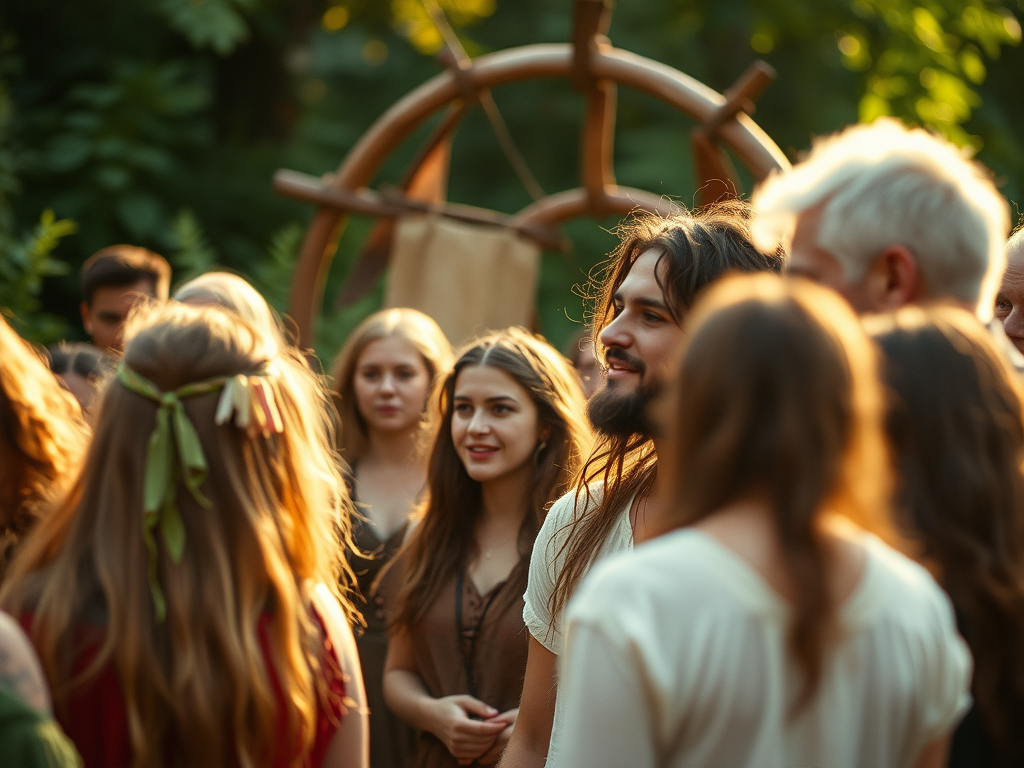
Heathenry has made an exciting comeback in recent years, as more people seek to reconnect with ancient traditions, earth-based spirituality, and the wisdom of our ancestors. Among the various paths within Heathenry, two stand out for their unique approach to community and faith: Theodism and Anglo-Saxon Heathenry. These traditions don’t just revive old beliefs—they invite us to live according to the tribal way, focusing on loyalty, honor, and deep connections with both the gods and each other.
In this post, we’ll dive into these fascinating traditions, exploring what it means to be a Heathen in today’s world and why these ancient ways have so much to offer modern seekers.
What is Heathenry? A Revival of Ancient Beliefs
Before we explore Theodism and Anglo-Saxon Heathenry specifically, let’s take a step back and look at the broader concept of Heathenry. If you’ve heard the term but aren’t exactly sure what it means, don’t worry—you’re not alone!
Heathenry refers to the revival of ancient pre-Christian religious practices from the Germanic tribes, including the Anglo-Saxons and Norse peoples. The word “Heathen” originally meant someone who lived in the countryside (on the heath), where old traditions lingered longer. Nowadays, it’s come to represent people who follow those ancient, nature-based spiritual practices.
For many Heathens, this isn’t just a set of beliefs—it’s a lifestyle. There’s a strong focus on community, honoring your ancestors, and living in harmony with nature. Rituals, seasonal festivals, and personal responsibility all play a major role. It’s a way of life that emphasizes loyalty to both your gods and your kin, creating a meaningful connection to the past while grounding yourself in the present.
Theodism: The Tribal Path to Anglo-Saxon Heathenry
One specific branch of Heathenry, Theodism, takes the idea of tribal living to the next level. Theodism is all about reconstructing the way ancient Anglo-Saxon and other Germanic tribes lived and practiced their religion. It’s not just about what they believed, but how they lived—how they organized their communities, worshiped their gods, and worked together as a tribe.
Theodism was founded in the 1970s by Garman Lord, who wanted to create a system of Heathenry that mimicked the structure of old Anglo-Saxon tribes. Theodish groups, or þēods, are deeply tribal, meaning that the community comes first. Unlike many modern religions where spirituality can be a solo journey, in Theodism, faith is experienced together.
Theodism emphasizes hierarchy and community roles. Just like in the tribal societies of old, everyone has their place. You have:
- The Cyning (King): The tribal leader who holds the highest authority in both spiritual and day-to-day matters.
- The Thane or Ealdorman: Nobles who help maintain order and support the Cyning.
- The Gesithas (Retainers): Warriors or trusted individuals who serve the leaders and protect the tribe.
- Freemen and Freewomen: The everyday members who actively contribute to the community.
One of the things I love about Theodism is this focus on the tribal bond. It’s not about hierarchy for hierarchy’s sake—each member plays an important role, and leadership is earned through merit, service, and loyalty to the tribe. This isn’t just a religion; it’s a way of life built on mutual respect, where everyone has a responsibility to each other.
Anglo-Saxon Heathenry: Reconnecting with the Old Gods
Now, let’s talk about Anglo-Saxon Heathenry more broadly. Unlike Theodism, which is tightly focused on tribal community, Anglo-Saxon Heathenry can be practiced in more flexible ways, though it still draws heavily from the spiritual traditions of early medieval England.
The Anglo-Saxons had their own gods and goddesses—deities that you might recognize from Norse mythology, but with distinct Anglo-Saxon flavors. Some of the most important gods include:
- Woden (Odin): Chief of the gods, associated with wisdom, war, and death. Woden is a complex figure—he’s a wanderer, a seeker of knowledge, and a ruler.
- Thunor (Thor): The god of thunder and protection, who wields a hammer. He’s the one you call on when you need strength and courage.
- Frige (Frigg): Goddess of the home, hearth, and motherhood. She’s the one who looks after the well-being of families.
- Tiw (Tyr): The god of law, honor, and justice. He’s also associated with war, but in the sense of upholding honor and justice, not destruction.
In Anglo-Saxon Heathenry, the gods are seen as family figures, almost like ancestors themselves. The idea is that by offering them gifts (or blóts) and participating in sacred rituals, you build a relationship of mutual respect and support. These aren’t distant deities—they are part of your everyday life, guiding and protecting you as long as you honor them in return.
The Tribal Way: Why Community is Central
What makes Theodism and Anglo-Saxon Heathenry stand out from other spiritual paths is the focus on community. This tribal approach to faith is something that resonates deeply with people, especially today when many of us feel disconnected from each other.
In these traditions, living tribally means that your relationships—with your family, your community, and your gods—are at the heart of everything. The idea is that we, as individuals, aren’t separate from the world around us. We’re part of something bigger, and it’s through these relationships that we find meaning and purpose.
In Theodism, this tribal structure comes through in rituals like the symbel and blót:
- Symbel is a communal drinking ritual where toasts are made in honor of the gods, ancestors, and tribal heroes. It’s not just about drinking; it’s about bonding as a community, making oaths, and strengthening the connections between everyone involved. It’s a time for storytelling, celebrating achievements, and reaffirming your loyalty to the tribe and the gods.
- Blót is a sacred offering made to the gods or ancestors. It could be food, drink, or other valuables. The point is that you’re giving something valuable to the gods as a way of thanking them and asking for their continued blessings. It’s an exchange—just as you give, the gods provide in return.
Think of these rituals like a family gathering. When you sit down with your relatives for a big holiday meal, you’re doing more than just eating—you’re reconnecting, sharing your lives, and building stronger bonds. In Heathenry, these rituals take on a sacred meaning, but the same idea of community connection is at the core.
Ancestors and Wyrd: A Deep Connection to the Past
One of the most beautiful aspects of Anglo-Saxon Heathenry is its reverence for ancestors. Heathens believe that their ancestors are still an important part of their lives, offering guidance, protection, and support. Just as you might look to your grandparents for advice, Heathens turn to the ancestors for wisdom.
This ties into the concept of wyrd—a word that roughly translates to “fate” but carries much deeper meaning. Wyrd is like a web of connections that links the past, present, and future. Your actions don’t just affect you; they ripple out, affecting your family, your community, and even future generations. And just as you are shaped by the actions of those who came before, your choices will shape the lives of those who come after.
It’s like standing in the middle of a spider’s web—every tug on one thread vibrates through the entire structure. When you honor your ancestors and live a life of integrity, you ensure that those threads remain strong.
How to Live the Tribal Way Today
You might be thinking, “This all sounds amazing, but how do I actually live this in today’s world?”
Living the tribal way in modern times doesn’t mean abandoning modern life and going back to live in huts. It’s about creating communities where people support each other, honoring the natural world, and finding ways to bring ancient wisdom into modern life. Here’s how you can get started:
- Connect with Nature: Spend time outdoors, whether it’s hiking, gardening, or just sitting under a tree. Nature is sacred in Heathenry, and connecting with the land is a big part of living a tribal life.
- Find Your Community: Many modern Heathens join online communities or local groups where they can gather for rituals, festivals, and celebrations. Whether in person or online, connecting with like-minded people is key to practicing Heathenry.
- Honor Your Ancestors: You can start small by creating an ancestor altar in your home. Light a candle, leave an offering, or simply take a moment to reflect on the people who came before you.
- Celebrate the Seasons: Heathens celebrate festivals tied to the natural cycles of the year, like the winter solstice or harvest. Participating in these seasonal rituals helps you stay grounded and connected to the rhythms of the earth.
Conclusion: Why the Tribal Way Matters
Theodism and Anglo-Saxon Heathenry offer a path that goes beyond just worshipping ancient gods. They provide a way to live in harmony with nature, your ancestors, and your community. At its heart, it’s about building meaningful relationships and finding your place in the larger web of life.
If you feel drawn to these old ways, know that there’s a place for you in the Heathen community. Whether through online groups, local gatherings, or personal rituals, there are many ways to begin living the tribal way in today’s modern world.
So, what aspect of Heathenry calls to you? Is it the connection to nature, the sense of community, or the pull to honor your ancestors? Whatever it is, the gods, the ancestors, and your future community are waiting to welcome you home.
Leave a Reply to What Are The Many Branches of Modern Heathen? – The Elemental MindCancel reply