
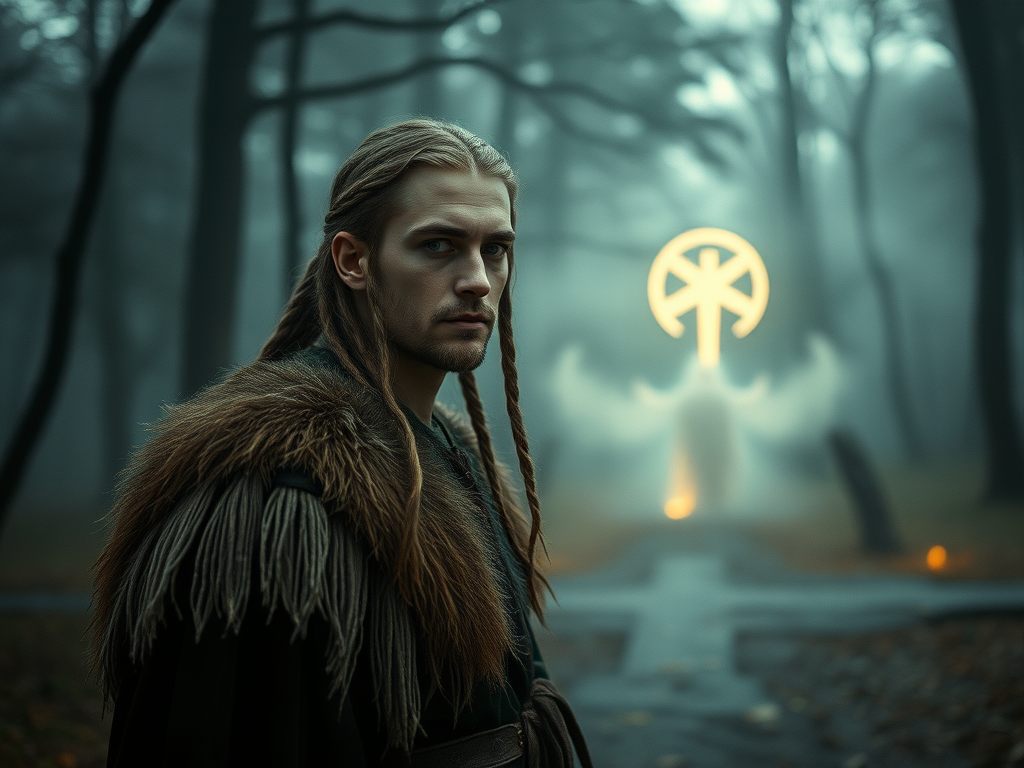
Halloween, a holiday known for its spooky themes, costumes, and candy, has deep historical roots that stretch across different cultures and belief systems. While it’s widely associated with Celtic traditions and Christianity’s All Hallows’ Eve, fewer people realize that elements of Halloween align with Norse mythology and religious practices. The Norse people, with their rich tradition of myths, gods, and rituals, also had celebrations and customs that reflected their understanding of death, the supernatural, and the changing of seasons—concepts that are also central to Halloween.
In this post, we will explore how Norse religion and mythology intersect with the themes of Halloween. From their beliefs about the afterlife and spirits to the ways they marked seasonal transitions, the Norse had traditions that parallel and perhaps even influenced the modern celebration of Halloween.
The Roots of Halloween
To understand the connection between Halloween and Norse religion, it’s important to start with the origins of Halloween itself. Halloween, as we know it today, evolved from the ancient Celtic festival of Samhain. Samhain marked the end of the harvest season and the beginning of winter, a time when the boundary between the world of the living and the dead was believed to be at its thinnest. People believed that spirits could pass between these two realms, and they held rituals to honor and appease these spirits.
Over time, as Christianity spread, the festival of Samhain was merged with the Christian observance of All Saints’ Day (also known as All Hallows’ Day) on November 1st. The night before became known as All Hallows’ Eve, which eventually shortened to Halloween. While Halloween has since become a secular holiday in many parts of the world, its roots in ancient religious beliefs about death and the afterlife remain clear.
Norse Religion and the Afterlife
In Norse religion, death was also a significant aspect of life, with various beliefs surrounding the afterlife. Unlike some traditions that saw the afterlife as a singular realm, the Norse had multiple destinations for the dead, depending on their actions in life and the manner of their death.
- Valhalla: The most famous of the Norse afterlife realms, Valhalla was the hall of Odin, where warriors who died gloriously in battle were taken by the Valkyries. These warriors, known as Einherjar, were believed to feast and train in preparation for Ragnarök, the final battle of the gods.
- Hel: Hel was the realm of the dead for those who died of old age or sickness. Ruled by the goddess Hel, this realm was not the fiery underworld many modern audiences might associate with its name, but a cold, misty place. Hel as a location was neither a place of punishment nor reward; it was simply where most of the dead resided.
- Fólkvangr: This is the domain of the goddess Freyja, who received half of those who died in battle. Freyja’s warriors, like those in Valhalla, had an honorable place in the afterlife, though the specific differences between Valhalla and Fólkvangr are unclear.
The Norse understanding of death and the afterlife was not one of fear or avoidance but of acceptance. The dead continued to exist, either in the halls of gods like Odin and Freyja or in the quiet realms of Hel. This concept is similar to the belief in spirits and ancestors in many other ancient cultures, including those that influenced Halloween.
The Veil Between Worlds
One of the key themes of Halloween is the idea that the boundary between the world of the living and the dead becomes thin, allowing for communication or interaction between the two realms. This concept also has parallels in Norse beliefs.
In Norse mythology, there are several instances of the dead interacting with the living, particularly in the form of draugar, undead beings that were believed to haunt the living. Draugar were often warriors or important figures who had unfinished business or who had been wronged in life. They could cause trouble for the living, much like the malevolent spirits feared during Samhain.
The Norse also had traditions around ancestor worship, much like the Celts and other ancient peoples. During important rituals or seasonal changes, they would offer sacrifices or hold feasts to honor their deceased ancestors, believing that their spirits could bring blessings or misfortune depending on how they were treated. These traditions of honoring the dead during times of seasonal change closely mirror the Celtic rituals that eventually became part of Halloween.
The Wild Hunt
A notable Norse myth that resonates with the themes of Halloween is the Wild Hunt. The Wild Hunt was a spectral, ghostly procession of riders, often led by Odin or another powerful deity, which swept through the sky during the cold months of winter. This procession was believed to be a harbinger of death and disaster, and those who witnessed it were thought to be cursed or doomed.
The Wild Hunt shares thematic similarities with the idea of spirits roaming the earth on Halloween night. Both myths involve supernatural beings, death, and the liminality of winter as a time when the boundaries between worlds are weaker. The Wild Hunt’s association with winter and death makes it a chilling parallel to Halloween’s focus on the dead and the otherworldly.
Seiðr and Magic
Magic and divination play a central role in Halloween traditions, from the witch costumes to fortune-telling games. In Norse religion, magic was also an important part of life, particularly through the practice of Seiðr.
Seiðr was a form of magic used to see into the future, manipulate fate, or communicate with spirits. The practice was often associated with the goddess Freyja, and it was typically performed by women known as völvas. These seers would enter trance-like states and travel between realms, speaking with gods or the dead. This mystical practice parallels the divination practices seen in ancient Halloween traditions, where people would attempt to predict the future or communicate with the dead on Samhain.
Just as Samhain was a time to seek guidance from the spirit world, the practice of Seiðr often involved reaching out to spirits or the gods for knowledge and protection. The Norse belief in the power of magic, particularly during times of change or transition, adds another layer of similarity between their traditions and those that evolved into Halloween.
The Significance of Seasonal Changes
Halloween takes place during a significant seasonal shift, as the world moves from autumn into winter. In Norse religion, the changing of seasons was marked by several important festivals, many of which had connections to the dead or the supernatural.
- Alfablot: This was a private ceremony held by individual families to honor the elves (álfar) and spirits of their ancestors. The Norse believed that elves were connected to the spirits of the dead, and offering sacrifices to them would ensure protection and prosperity during the harsh winter months. This tradition is strikingly similar to the way ancient Celts honored their dead during Samhain.
- Winter Nights: This festival marked the beginning of winter and was a time for sacrifices to the gods and the ancestors. Like Samhain, Winter Nights was a time to honor the dead and seek their blessings for the coming winter. It was also associated with the harvest and the need for protection against the dangers of the cold, dark months ahead.
Both Alfablot and Winter Nights reflect the Norse understanding of the changing seasons as a time when the barriers between the living and the dead were weaker, much like Halloween’s connection to the thinning veil between worlds.
Modern Reflections
While modern Halloween has largely become a commercial and secular holiday, its themes of death, the supernatural, and seasonal change still resonate with the ancient traditions from which it evolved. The Norse belief in spirits, magic, and the importance of honoring the dead during the dark half of the year is just one example of how ancient religions have influenced the way we think about Halloween today.
In particular, the Norse emphasis on the afterlife, ancestor worship, and the supernatural offers fascinating parallels to the themes of Halloween. Whether through the ghostly Wild Hunt, the magic of Seiðr, or the reverence for the dead seen in festivals like Alfablot, the Norse understanding of death and the otherworld adds depth to the modern celebration of Halloween. The blending of these ancient beliefs with Celtic, Christian, and modern traditions highlights the rich tapestry of cultural influences that make Halloween a holiday steeped in history and mystery.
Conclusion
Halloween is a holiday that has evolved through the blending of various religious and cultural practices, with Celtic and Christian influences often at the forefront of its history. However, as we’ve explored, Norse religion also shares many of the same themes that define Halloween: the honoring of the dead, the belief in spirits, the use of magic and divination, and the importance of seasonal transitions.
By examining the parallels between Norse traditions and the customs that eventually became Halloween, we gain a greater understanding of how ancient peoples made sense of the mysterious and often frightening aspects of life, death, and the unknown. Today, as we carve pumpkins and dress in costumes, we are continuing a long tradition of acknowledging the supernatural forces that have fascinated humanity for centuries.
Leave a Reply