
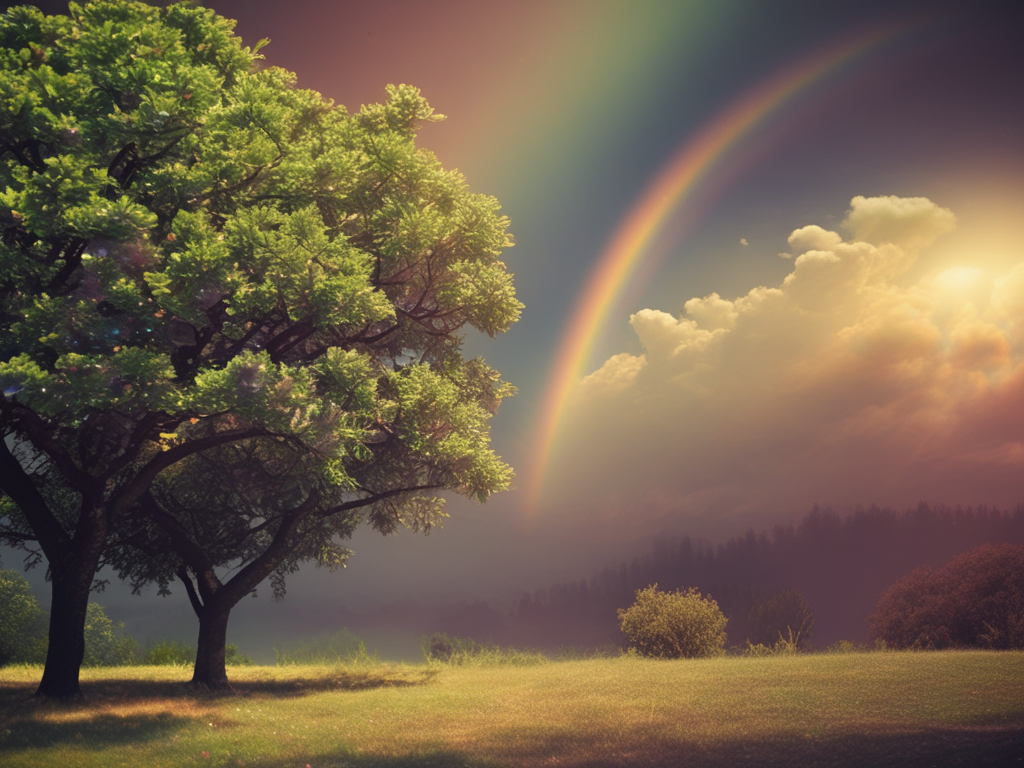
A Journey Through the Ages
Colors have always played a significant role in human history, carrying deep spiritual meanings and influencing cultures across the globe. Each color resonates with its unique energy and symbolism, rooted in both spiritual traditions and historical contexts. In this post, we will explore the spiritual significance of various colors while delving into the rich history that has shaped their meanings over time.
Red: The Color of Life Force and Power
Historical Context: Red is one of the oldest colors used by humans, with evidence of red ochre being used in cave paintings dating back over 40,000 years. In ancient Egypt, red was associated with the powerful and protective deity Set, and it was used in amulets to ward off evil. The Romans painted their warriors and used red flags as symbols of military strength and victory. In China, red has long been associated with good fortune, happiness, and prosperity, a tradition that continues to this day, especially during the Lunar New Year.
Spiritual Significance: In spiritual traditions, red is often connected with the root chakra, the energy center that grounds us and relates to our survival instincts. It symbolizes life force, passion, and vitality. Red is the color of fire and blood, representing both creation and destruction. It’s a color of power and action, used in rituals to ignite transformation, enhance courage, and stimulate the body and mind.
Orange: The Color of Creativity and Joy
Historical Context: Orange has a vibrant history, especially in religious and cultural contexts. In ancient Egypt, it was used in tomb paintings to represent the afterlife. In Hinduism and Buddhism, saffron, a deep shade of orange, is a sacred color associated with renunciation and the quest for enlightenment. Monks wear saffron robes as a symbol of their spiritual journey. In Western art, orange became prominent during the Renaissance when artists used it to depict the warmth and light of the sun.
Spiritual Significance: Spiritually, orange is linked to the sacral chakra, which governs creativity, sexuality, and emotions. It is a color of joy and enthusiasm, encouraging social interactions and the sharing of ideas. Orange brings warmth and excitement to spiritual practices, helping to stimulate creativity, enhance emotional well-being, and foster a zest for life.
Yellow: The Color of Intellect and Enlightenment
Historical Context: Yellow has been revered throughout history as the color of the sun, symbolizing light, life, and warmth. In ancient Egypt, yellow was associated with the gods, particularly the sun god Ra, who was often depicted in yellow. The color was also significant in ancient China, where it was reserved for the emperor and symbolized power and prosperity. In medieval Europe, however, yellow sometimes took on negative connotations, representing betrayal and cowardice, as seen in the portrayal of Judas Iscariot in Christian art.
Spiritual Significance: Yellow is associated with the solar plexus chakra, the center of personal power, intellect, and confidence. It represents clarity of thought, decision-making, and wisdom. In spiritual practices, yellow is seen as the color of enlightenment, helping to enhance mental clarity, boost self-esteem, and promote spiritual growth. It is a color that shines light on the path of knowledge and self-discovery.
Green: The Color of Healing and Renewal
Historical Context: Green has long been associated with nature, fertility, and growth. In ancient Egypt, the god Osiris, who symbolized resurrection and eternal life, was often depicted with green skin. The color also held significant meaning in Celtic culture, where it represented the earth, agriculture, and the sacredness of life. During the Middle Ages, green was associated with love and rebirth and was a popular color for wedding dresses in many European cultures.
Spiritual Significance: Green is connected to the heart chakra, the center of love, compassion, and emotional balance. It is a soothing color that promotes healing and harmony, both physically and emotionally. Green is also associated with abundance and prosperity, symbolizing the renewal of life. In spiritual practices, green is used to open the heart to love and compassion, facilitate healing, and maintain a strong connection to the earth.
Blue: The Color of Communication and Truth
Historical Context: Blue has a rich history, often associated with the divine and the heavens. In ancient Egypt, blue was the color of the sky and the Nile River, representing life and creation. The Egyptians used a precious blue pigment known as lapis lazuli in jewelry and sacred artifacts. In Christian iconography, the Virgin Mary is often depicted wearing blue, symbolizing purity and divine grace. In many cultures, blue has also been a color of royalty and nobility, as it was once one of the most expensive dyes to produce.
Spiritual Significance: Blue is associated with the throat chakra, the center of communication and self-expression. It represents truth, clarity, and spiritual insight. In spiritual traditions, blue is seen as a calming color that promotes peace and tranquility. It is often used in meditation to encourage relaxation and deepen the connection with the spiritual self. Blue is also linked to the search for truth and wisdom, making it a color of introspection and inner understanding.
Indigo: The Color of Intuition and Mysticism
Historical Context: Indigo has a fascinating history, especially due to its rarity and the labor-intensive process required to produce the dye. It was highly valued in ancient civilizations such as Mesopotamia, Egypt, and India, where it was used to dye textiles. The indigo trade became immensely important, especially during the 17th and 18th centuries when it was a major commodity in international trade. In spiritual traditions, indigo is often associated with the mystical and the esoteric, representing a deeper connection to the subconscious mind.
Spiritual Significance: Indigo is linked to the third eye chakra, the center of intuition, insight, and spiritual awareness. It is a color that resonates with the subconscious mind, encouraging the exploration of deeper truths and enhancing psychic abilities. In spiritual practices, indigo is used to open the third eye, promote inner wisdom, and facilitate the journey into higher states of consciousness.
Violet: The Color of Spirituality and Transformation
Historical Context: Violet, a blend of red and blue, has long been associated with spirituality and the divine. In ancient Rome, purple was a color reserved for emperors and the elite, as it was one of the most expensive dyes to produce, derived from the murex snail. In Christianity, violet is the liturgical color for the seasons of Advent and Lent, symbolizing penance, preparation, and spiritual renewal. The color has also been associated with mysticism and the higher states of consciousness in many spiritual traditions.
Spiritual Significance: Violet is connected to the crown chakra, the highest energy center in the body, representing spiritual enlightenment, divine wisdom, and connection to the higher self. It is a powerful color for transformation, often used in meditation to facilitate deep spiritual awareness and connect with the divine. Violet is seen as the color of spiritual awakening, helping to transcend the physical realm and access higher spiritual planes.
White: The Color of Purity and Unity
Historical Context: White has universally been regarded as a symbol of purity, innocence, and light. In ancient Egypt, white was associated with the goddess Isis, who was revered as the mother of all gods and the giver of life. In many cultures, white is the color worn by brides, symbolizing purity and new beginnings. In Christian tradition, white is used in ceremonies and rituals to represent holiness and the presence of the divine. In Eastern spiritual practices, white is often associated with mourning and the passage to the afterlife, symbolizing the purity of the soul.
Spiritual Significance: White is connected to the crown chakra and represents the highest state of consciousness and spiritual enlightenment. It is a color that embodies purity, unity, and the integration of all aspects of our being. In spiritual practices, white is used for cleansing the aura, protecting against negative energies, and connecting with the divine. It is seen as a color that contains all other colors, symbolizing wholeness and the unity of all existence.
Black: The Color of Mystery and Protection
Historical Context: Black has often been associated with mystery, the unknown, and the void. In ancient Egypt, black was connected with the fertile soil of the Nile, symbolizing regeneration and the potential for new life. In many cultures, black is the color of mourning, representing the transition from the physical world to the spiritual realm. In Western tradition, black has also been linked with formality, power, and authority, as seen in the attire of judges and clergy.
Spiritual Significance: Black is associated with the root chakra and represents protection, grounding, and the mystery of the unknown. It is a powerful color used in spiritual practices to banish negativity, provide protection, and anchor spiritual energies into the physical realm. Black is seen as a color of introspection and inner strength, helping us to face our fears and navigate through the mysteries of life.
Pink: The Color of Love and Compassion
Historical Context: Pink, a color often associated with love and femininity, has a relatively recent history in its modern form. In the 18th century, pink was considered a color for both boys and girls, symbolizing strength and innocence respectively. Over time, it became more associated with femininity and romance in Western cultures. In Japan, pink is a color linked with the cherry blossom, symbolizing the beauty and transient nature of life.
Spiritual Significance: Pink is connected to the heart chakra, like green, but it emphasizes unconditional love, compassion, and emotional healing. It is a color that nurtures the soul, promoting self-love, acceptance, and harmony in relationships. In spiritual practices, pink is used to heal emotional wounds, foster forgiveness, and cultivate a loving attitude toward oneself and others. Rose quartz, often associated with pink, is used to open the heart chakra, attract love, and promote emotional healing.
Gold: The Color of Divine Connection and Abundance
Historical Context: Gold has been treasured throughout history for its beauty, rarity, and its association with the divine. In ancient Egypt, gold was considered the flesh of the gods, especially the sun god Ra, and was used in the burial masks of pharaohs to symbolize immortality. In Christian iconography, gold represents the light of heaven and divine presence. Throughout the ages, gold has been associated with wealth, power, and prosperity, often used to decorate sacred spaces and objects.
Spiritual Significance: Gold represents the highest form of spiritual enlightenment and connection to the divine. It is a color associated with wealth, abundance, and prosperity in both the material and spiritual realms. In spiritual practices, gold is used to invoke divine protection, attract abundance, and enhance spiritual power. Gold is seen as the color of the gods, symbolizing the divine light that sustains all of creation.
Silver: The Color of Reflection and Intuition
Historical Context: Silver has been highly valued for its beauty and its reflective properties. In ancient civilizations such as Greece and Rome, silver was associated with the moon and the goddesses Diana and Artemis, who represented chastity and the hunt. In alchemy, silver was considered the metal of the moon, symbolizing the feminine principle, intuition, and emotional balance. Silver was also used in rituals and ceremonies to reflect the light of the moon and connect with lunar energies.
Spiritual Significance: Silver is associated with reflection, intuition, and the lunar energies. It represents the feminine, introspective, and mysterious aspects of the spiritual journey. Silver is often used in spiritual practices to enhance intuition, connect with lunar energies, and promote emotional balance. In many spiritual traditions, silver is linked to the divine feminine and is used to navigate the inner realms of the subconscious mind, enhance psychic abilities, and foster emotional healing.
Conclusion
Colors are deeply woven into the fabric of human history and spirituality, carrying meanings that have evolved over centuries. Each color, from the fiery red to the tranquil blue, holds a unique vibration that influences our emotions, thoughts, and spiritual practices. By understanding the historical context and spiritual significance of colors, we can harness their energies to enrich our lives, promote healing, and deepen our connection to the divine.
Whether through meditation, the use of colored stones, or simply appreciating the colors in nature, incorporating these vibrant hues into your spiritual practices can bring profound insights and a deeper sense of harmony to your spiritual journey. So the next time you encounter a burst of color, remember the ancient wisdom and spiritual power it holds, connecting you to a rich tapestry of human history and the divine energies that guide us all.
Leave a Reply