
Hey friends,
Before we light anything up, I want to be very clear:
⚠️ Fire Safety Comes First
Fire is sacred. Fire is powerful. Fire is also dangerous. If you’re trying anything in this post, please be smart and safe. Don’t leave flames unattended. Don’t light things near curtains or flammable surfaces. Keep water nearby.🔥 Friendly Reminder: This post is based on my personal exploration of pyromancy. I’m not responsible for anything you do with fire. Use your head, honor the flame, and respect its boundaries.
Okay? Okay. Let’s get to the good stuff.
🔮 What is Pyromancy?
Pyromancy is one of the oldest forms of divination—literally, it means “divination by fire.” From the Greek pyr (fire) and manteia (prophecy), this ancient art is all about watching flames, smoke, sparks, and heat to receive messages from the divine, your higher self, or the world of spirit.
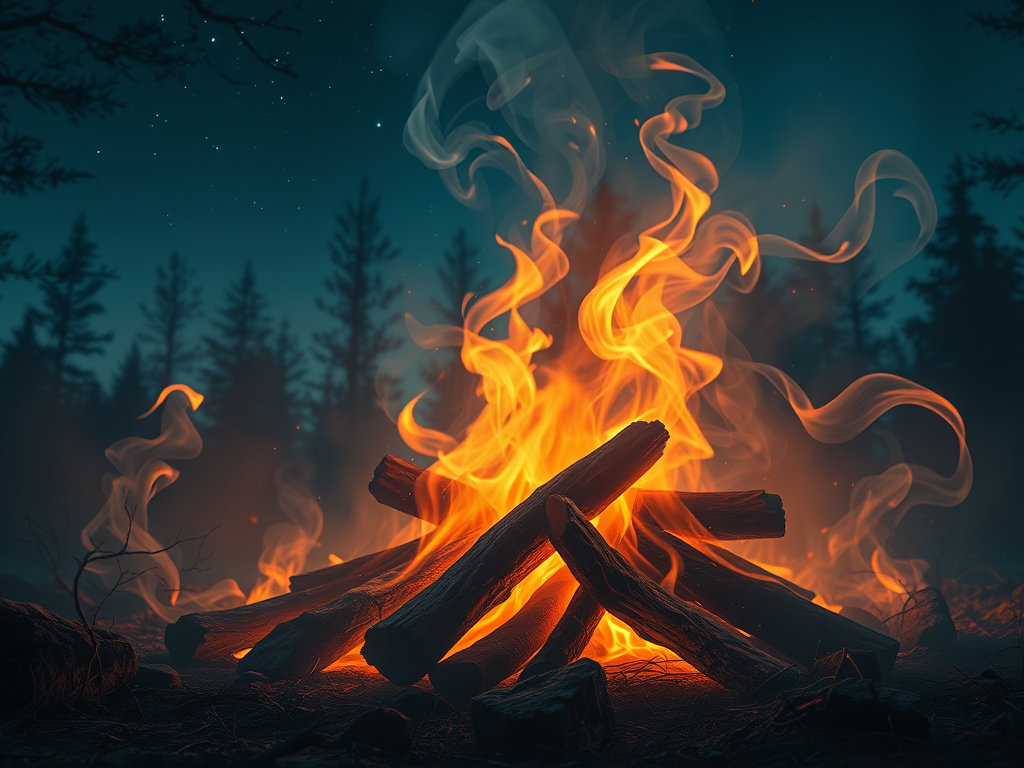
You’ve probably already practiced a casual version of it. Ever stared into a campfire and felt like it was whispering something? Or gotten lost in the flicker of a candle flame while thinking about a question?
Congratulations. You’ve already stepped into the world of pyromancy.
🏺 A Bit of History
Fire has been a gateway to the divine for thousands of years:
- The ancient Greeks interpreted the altar flames during sacrifices.
- Etruscans and Babylonians had priests trained specifically in fire reading.
- Zoroastrians considered fire the purest element, a symbol of divine wisdom.
- Even in Norse and Celtic traditions, firelight was used to honor gods, ancestors, and spirits.
Across the world, fire wasn’t just a tool—it was a being, a communicator, and a powerful force to work with.
🔥 How to Read Fire: The Language of Flame
Now, let’s talk about the actual practice of pyromancy. This isn’t just watching a fire—it’s learning how to listen to it.
Here’s what to look for:
🔥 1. Flame Movement
How the flame dances tells a story.
- Steady and tall: Clear energy, strong spiritual presence. The answer is “yes” or “go forward.”
- Flickering or jumping: Confusion, resistance, or spirit activity. Something is in flux.
- Low and dim: Energy is blocked. Reevaluate your question or intent.
- Wildly swaying (with no breeze): Intense emotions, possible warning or chaos. Take a step back.
👉 Tip: The more erratic the movement, the more urgent the message.
🔥 2. Flame Color
Most flames are orange or yellow—but if you’re using certain herbs, oils, or materials, the flame can shift colors.
- Blue base: High spiritual purity, or a calm presence.
- Red/orange: Passionate energy, drive, action.
- White tips or flashes: Angelic or high-vibration presence.
- Black smoke or dark flame edges: Negative energy or resistance. Cleanse your space and try again later.
🔥 3. Sounds of the Fire
Yes, you can listen to fire. If you’re using a bonfire, hearth, or larger flame source:
- Crackling/popping: Spirit communication or active messages.
- Hissing: Something hidden, secrets surfacing.
- Sudden silence after noise: A shift has occurred. Something’s resolved or withdrawn.
👉 Practice this with a fireplace or campfire. Just sit and listen. Fire has a voice.
🔥 4. Smoke and Ash (Capnomancy)
This blends into capnomancy, or smoke reading—but it’s part of pyromancy when the fire produces visible smoke:
- Smoke rises straight up: Clear path, affirmation.
- Smoke coils, swirls, or drifts erratically: Uncertainty, spiritual movement, or confusion.
- Smoke moves toward you: Pay attention. The message is meant for you personally.
- Ash patterns: After the fire dies, look at the shape of the ash. Letters, symbols, animal shapes—these can all be signs.
🔥 5. Emotional Impressions
One of the most overlooked parts of pyromancy is how the fire makes you feel. Your intuition is part of the message.
Ask yourself:
- Do I feel safe or unsettled?
- Did I suddenly get an answer or image in my mind?
- Am I being called to act—or warned to wait?
🔥 Pyromancy is not just external—it’s internal. Your body and spirit are part of the reading.
🛠 How to Practice Pyromancy (Step-by-Step)
Here’s a beginner-friendly ritual to try:
✨ You’ll Need:
- A candle, firepit, or fireplace
- A question or intention
- A safe, quiet space
- Optional: herbs, salt, incense, a journal
🧹 Step 1: Prepare
Cleanse your space spiritually and physically. Ground yourself. Set your intention.
🔥 Step 2: Light the Flame
As you light the fire, speak your question out loud or in your mind. Open yourself to communication.
👁️ Step 3: Observe
Watch the flame for 5–15 minutes. Don’t force anything. Just watch. Note movements, sounds, flickers, emotions, and if using smoke—how it moves.
📓 Step 4: Record & Reflect
Write down what you saw, felt, or heard. You might not understand it right away, but over time, patterns will emerge.
🧪 Advanced Practices
If you’re comfortable with the basics, try these:
- Salt in flame: Throw pinches of salt into the fire to stir the energy. Popping or sparkling may be read as spirit activity or truth being revealed.
- Herb burning: Burn bay leaf, sage, mugwort, or other magical herbs and read how the flames behave with each.
- Combine with tarot or pendulum: Ask the same question with two tools and compare results.
🕯️ Final Thoughts: Fire Is a Messenger
Pyromancy is more than prediction—it’s a relationship. The more you engage with flame, the clearer the messages become. Fire won’t shout at you. It whispers, dances, flickers, flares—and you learn its language over time.
And sometimes, just sitting with a flame reminds us of something primal. Something sacred.
🔁 Tools You Might Like
- Fire-safe bowl or cauldron
- Candle holders (especially black, red, or gold for fire work)
- Loose herbs (rosemary, sage, cinnamon, bay)
- Fire tongs or wand
- Journal or sketchpad for flame shapes and symbols
💬 Have You Read the Fire?
If you’ve tried pyromancy—or you’re just starting—I’d love to hear what you’ve seen or felt. Drop a comment on the blog or send me a message on socials.
Let’s keep this ancient art burning 🔥
—Leana
Leave a Reply