
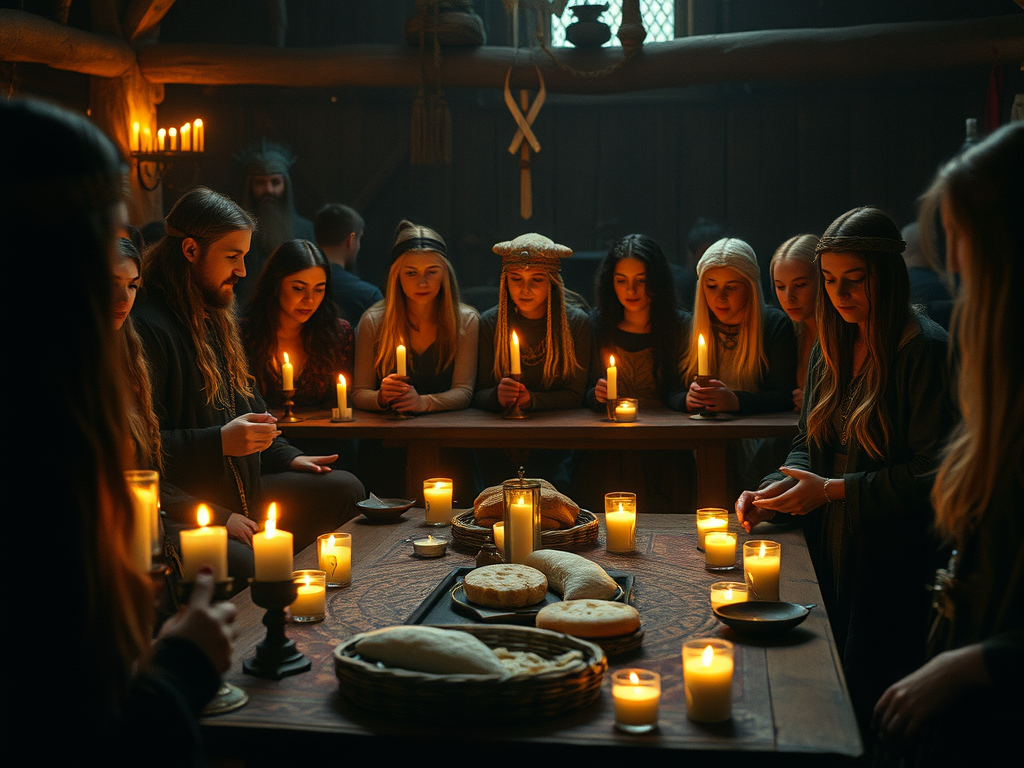
The Branches of Modern Heathenry represent the many living forms of Germanic Paganism practiced today. While most people know the names of Norse gods such as Odin or Thor from popular culture, fewer realize that thousands of modern practitioners follow spiritual paths rooted in pre-Christian Northern Europe. These paths are diverse, historically inspired, and adapted for the needs of contemporary devotees.
Understanding the Branches of Modern Heathenry helps newcomers identify which tradition resonates with their values, worldview, and ritual style. Whether you are drawn to mythology, land-based practice, tribal culture, mysticism, or transformational shadow work, Modern Heathenry offers multiple paths worth exploring.

History and Origins
Ancient Germanic Foundations
Heathenry traces its roots to the religions of ancient Germanic peoples: the Norse of Scandinavia, the Anglo-Saxons of early England, and the continental Germanic tribes such as the Saxons. Their shared worldview included gods, ancestors, land spirits, ritual offerings, and a deep sense of honor and obligation. Much of what we know today comes from sagas, poetry, Roman accounts, archaeology, and early medieval manuscripts.
Survival Through Folk Traditions
After Christianization, many elements of pre-Christian belief persisted within rural folk traditions. These included:
- Spirits of the home and land
- Seasonal celebrations
- Protective charms
- Milk, bread, and beer offerings
- Ancestor remembrance
- Herbal and magical folk practices
These remnants inform several of the Branches of Modern Heathenry today.
Contemporary Revival
In the 20th century, interest in Germanic Paganism resurged. Iceland formally recognized Ásatrú in 1973, inspiring similar movements across Europe and North America. Reconstructionist groups began using historical sources to rebuild ancient practices, while others created devotional paths centered on personal gnosis, nature spirituality, or the mysteries of fate.
Thus, the Branches of Modern Heathenry emerged—each holding a different lens on the same ancestral foundations.
Spiritual Significance & Deeper Meaning
Despite differences between branches, Modern Heathenry is grounded in several core principles:
- Reciprocity: A balanced exchange between humans, gods, ancestors, and spirits.
- Wyrd: The interconnected web of fate shaped by every action.
- Orlog: Personal and ancestral destiny.
- Frith: Social harmony and community bonds.
- Honor: Integrity, truth, and accountability.
- Ancestral reverence: Maintaining connection with those who came before.
- Nature connection: Respect for the land, seasons, and living world.
These principles weave throughout all Branches of Modern Heathenry, though each expresses them differently.
Energetic Qualities of Heathen Practice
Heathen paths often feel:
- Earthy and grounding
- Ancestral and historically rooted
- Myth-rich and story-driven
- Protective and reciprocal
- Community-minded
- Cyclical and seasonal
- Focused on responsibility and right action
Working With Heathen Energy
Ritual Practices
- Blót: Offering rituals to gods, ancestors, or land spirits.
- Sumbel (Symbel): Ritual toasting, oath-making, and community bonding.
- Seasonal observances: Yule, Midsummer, Winternights, and more.
- Ancestor rites: Candles, food offerings, and remembrance.
- Land spirit offerings: Water, bread, milk, or mead.
Daily Practices
- Tending a home altar
- Leaving simple offerings
- Mindful action aligned with wyrd
- Honoring a chosen deity or ancestor
- Practicing hospitality and integrity

Understanding the Branches of Modern Heathenry
Modern Heathenry includes a variety of distinct branches, each with its own emphasis, theology, and cultural focus.
Ásatrú: The Norse God-Centered Path
Ásatrú focuses on the Norse gods, especially the Æsir and Vanir: Odin, Thor, Freyja, Freyr, Frigg, and others. It emphasizes:
- Ritual offerings
- Sumbel
- Lore study
- Personal honor and courage
- Community building
Ásatrú is one of the best-known Branches of Modern Heathenry and the most deity-centered.
Forn Sed / Forn Siðr: The Old Custom
Forn Sed focuses on:
- Land spirits (landvættir)
- Household spirits
- Nature cycles
- Seasonal festivals
It reflects rural Scandinavian folk religion rather than myth-focused worship.
Theodism / Anglo-Saxon Heathenry
This branch reconstructs pre-Christian Anglo-Saxon religion and emphasizes:
- Woden, Thunor, Fréa, and other English gods
- Tribal structure (theod)
- Strict oath culture
- Hierarchy and historical accuracy
It is one of the most structured Branches of Modern Heathenry.
Irminism / Continental Germanic Heathenry
Irminism revives the spirituality of continental Germanic tribes and includes:
- Wodan
- Donar
- Tiwaz
- Veneration of the Irminsul (world-pillar)
- Emphasis on kingship, order, and sacred law
This branch connects strongly to Saxon and continental lore.
Rökkatru / Thursatru: Chaos and Transformation
Rökkatru honors beings often misunderstood or marginalized in myth:
- Loki
- Hel
- Jörmungandr
- The Jötnar
Rather than viewing chaos as harmful, this branch sees it as a catalyst for growth and transformation.
Urðarbrunnr Tradition: Fate and Mysticism
This path focuses on:
- Wyrd
- Orlog
- The Norns
- Mystical meditation
- Ancestral threads
- Philosophical exploration of fate
It is contemplative and introspective, centered on the deeper mechanics of the cosmos.
How the Branches of Modern Heathenry Differ
While all Heathen branches share a Germanic foundation, they differ in worldview, sources, and spiritual priorities.
Worldview Focus
- Ásatrú: deity devotion
- Forn Sed: land and folk custom
- Theodism: tribal reconstruction
- Irminism: continental Germanic continuity
- Rökkatru: chaotic and transformative forces
- Urðarbrunnr: mystical fate-work
Primary Sources
- Norse sagas
- Anglo-Saxon manuscripts
- Roman accounts
- Archaeology
- Surviving folk practices
Ritual Structure
- Formal and organized (Theodism, Ásatrú)
- Folk-based and animistic (Forn Sed)
- Mystical (Urðarbrunnr)
- Shadow-centered (Rökkatru)
These distinctions help seekers understand where they feel called within the Branches of Modern Heathenry.
How to Choose a Heathen Path
Choosing among the Branches of Modern Heathenry often depends on your answers to questions like:
- Do you connect more with gods, spirits, ancestors, or nature?
- Do you prefer structured ritual or flexible folk practice?
- Are you drawn to history, mysticism, or shadow work?
- Do you feel a cultural or ancestral pull to a specific region?
- Are you seeking community, solitary practice, or both?
Let your instinct guide you; Heathenry values experiential wisdom.
Common Misunderstandings
- Heathenry is not limited to Norse Paganism; it is broader.
- Not all Heathens follow warrior-focused paths.
- Chaos deities are not “evil”; the cosmos is not dualistic.
- Most modern Heathen groups are universalist, not folkish.
Frequently Asked Questions
What are the main Branches of Modern Heathenry?
Ásatrú, Forn Sed, Theodism, Irminism, Rökkatru, and the Urðarbrunnr Tradition.
Is Heathenry open to everyone?
Yes. Many groups welcome all respectful seekers regardless of background.
Do I need historical accuracy to practice?
Historical knowledge enriches practice, but devotion, integrity, and reciprocity matter more than perfect reconstruction.
Internal Links
- The Life of Odin: A Mythic Timeline of the Allfather
- Exploring the Enigmatic Norse Gods
- 10 Powerful Norse Symbols Every Viking Fan Should Know
External Resources
Closing Thoughts
The Branches of Modern Heathenry offer diverse ways to honor ancient gods, spirits, and ancestors in a modern world. Whether your path is deity-centered, land-focused, tribal, mystical, or transformative, there is a branch that aligns with your spirit. Heathenry invites each seeker to walk with integrity, honor the old ways, and build meaningful relationships with the sacred forces that shaped the ancient Germanic world and continue to inspire today.
Leave a Reply